
Featured Decorative Municipal Roadway Luminaire Series
High-performance photometric systems engineered to harmonize urban aesthetics with municipal transit compliance.
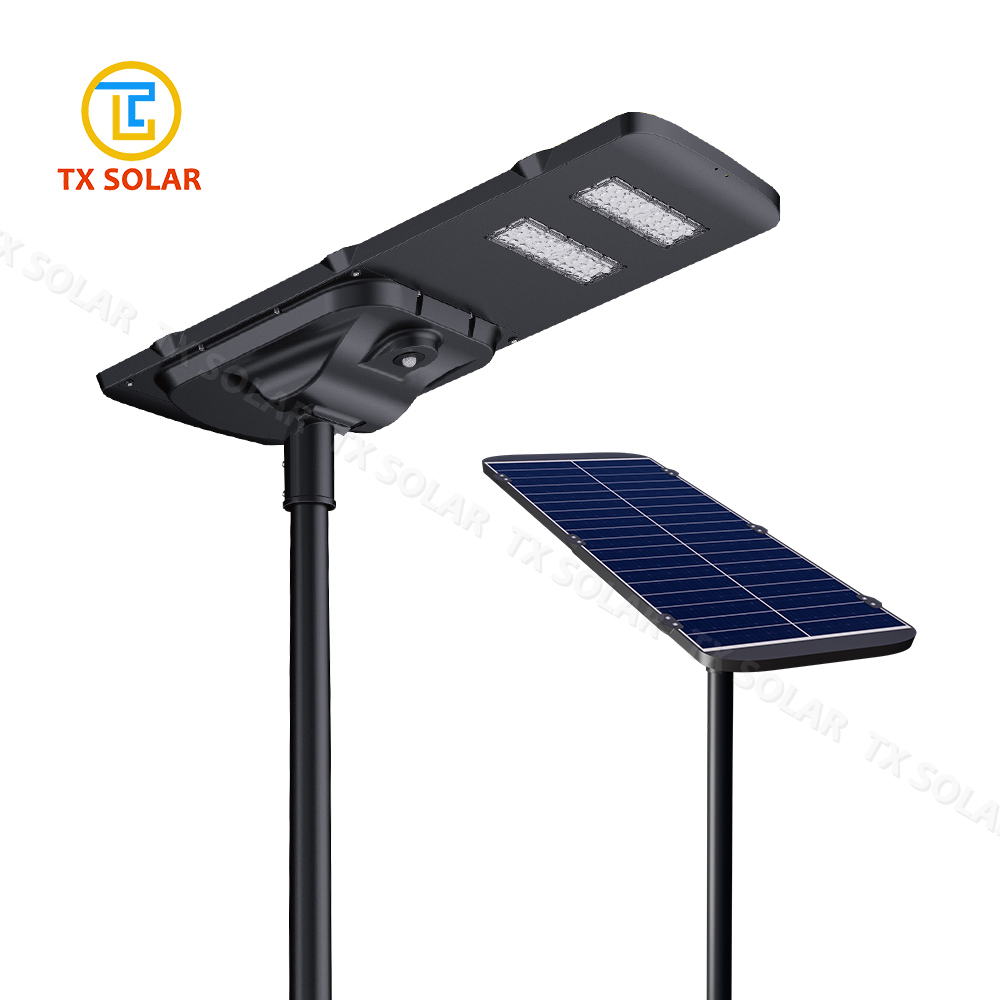
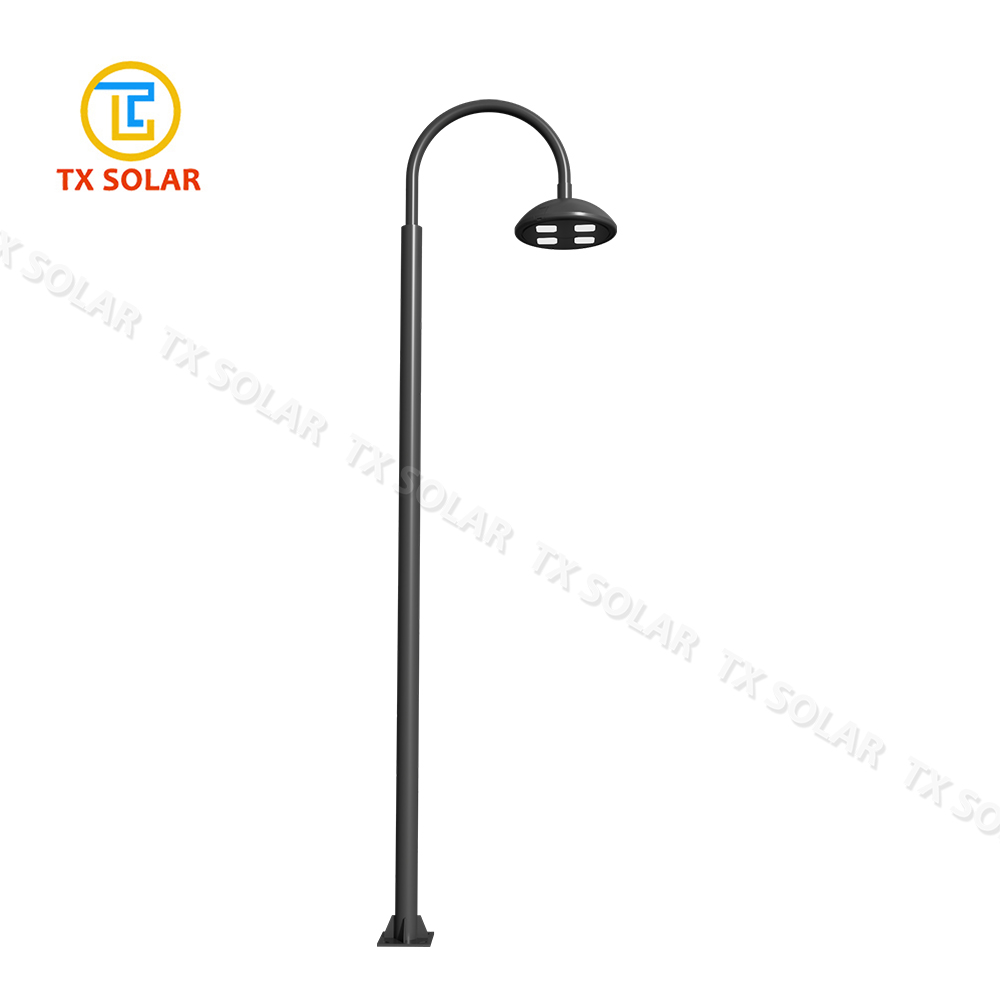
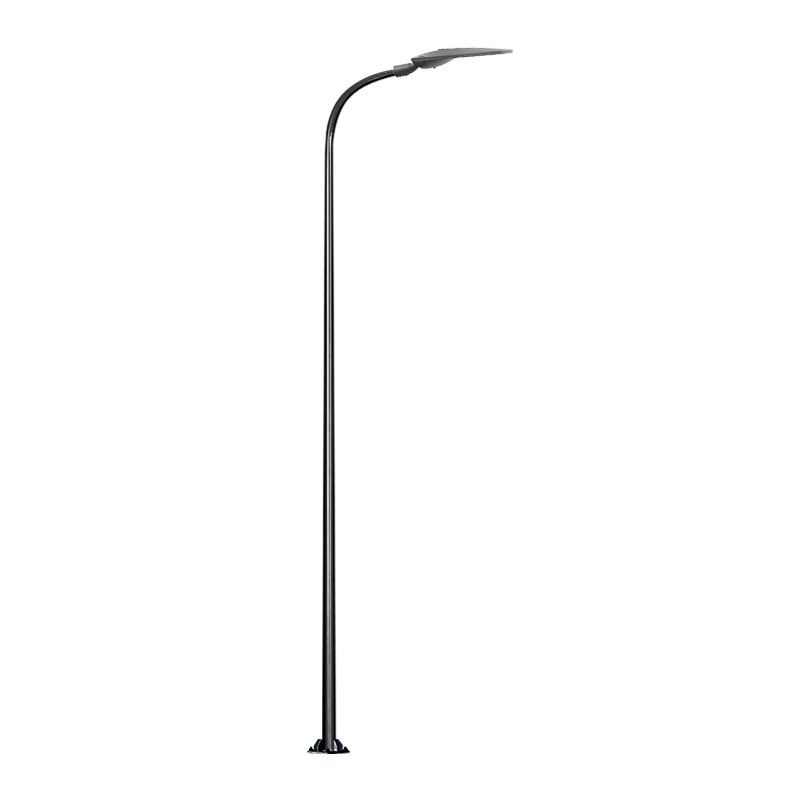
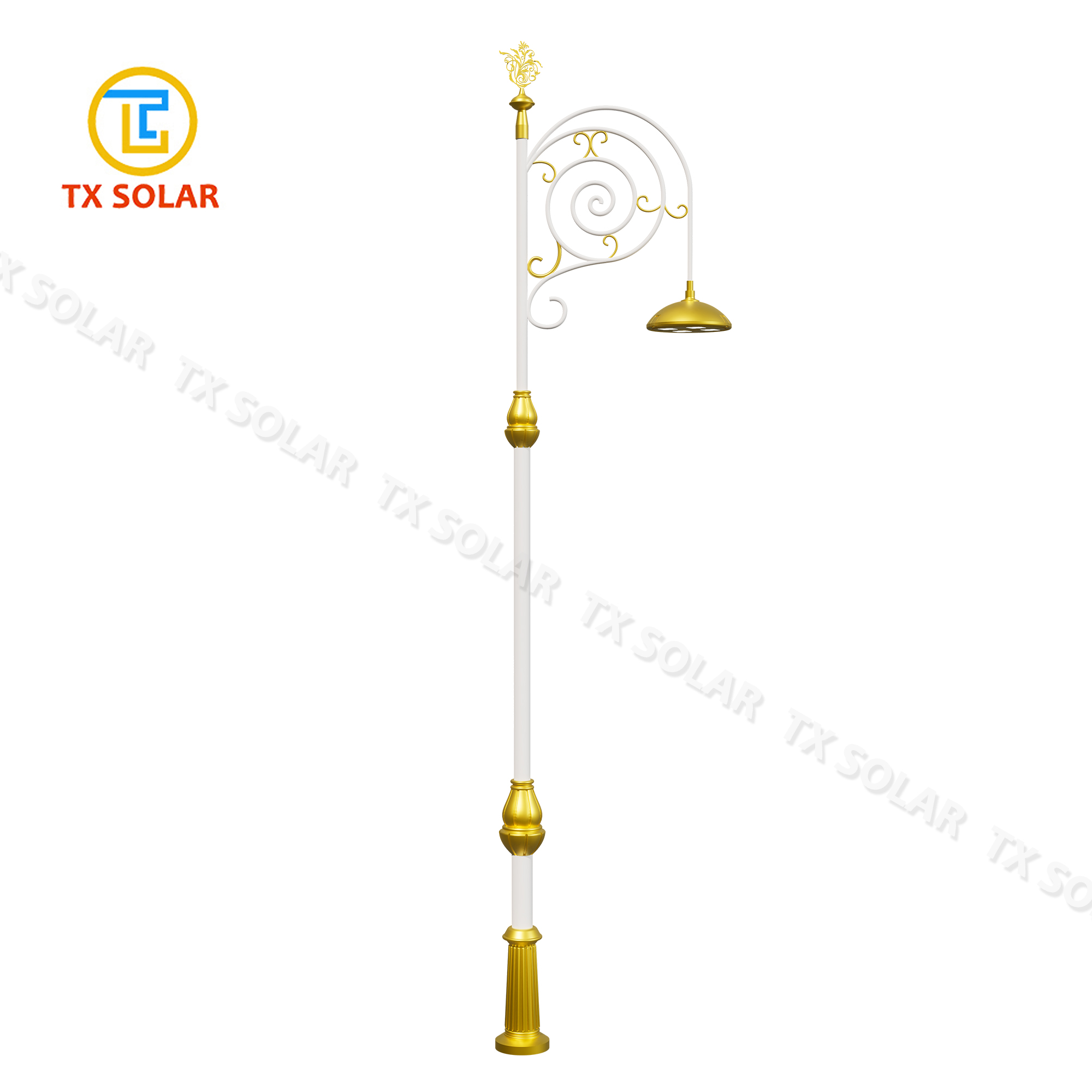
Industrial Evolution & Strategic Landscape of Municipal Illumination
How decorative post lamps transitioned from ornamental street furniture to high-efficiency, multi-modal urban transit infrastructure.
1. Contemporary Market Shifts: From Utility Luminaire to Urban Identity
Municipal lighting historically prioritized raw photopic luminous output, often installing utilitarian cobra-head fixtures that degraded the contextual architectural landscape of historic districts, pedestrian zones, and civic commercial avenues. The international civil engineering standard has systematically transitioned toward incorporating decorative post lamps along municipal roadways. This paradigm shift bridges high-precision optical road safety with cultural and aesthetic urbanism. Municipal authorities now treat urban lighting as an architectural asset that shapes twilight city skylines, revitalizes commerce, and instills civic pride while adhering rigidly to roadway safety mandates.
The global municipal decorative roadway post lamp market is experiencing exponential growth, catalyzed by cross-continental investments in smart infrastructure revamps. Rapid urban development across European metropolitan centers, North American urban revitalization corridors, and Asia-Pacific smart megacities has solidified the demand for high-strength aluminum-alloy cast luminaires, corrosion-resistant steel shafts, and thermally optimized LED modules. Decorative posts are no longer passive light fixtures; they represent the prominent visual anchor across metropolitan transit frameworks.
Structural Reliability
Designed using hot-dip galvanized structural Q235 steel and die-cast aerospace-grade aluminum alloys to withstand sustained AASHTO wind-load ratings exceeding 160 km/h.
Smart IoT Connectivity
Standard NEMA 7-pin or Zhaga Book 18 interfaces accommodating multi-sensor platforms, environmental analyzers, dynamic dimming arrays, and LoRaWAN mesh gateways.
Dark-Sky Eco Optics
Optimized cut-off optics that eliminate upward luminous flux ratio (ULOR < 1%), preventing atmospheric skyglow while preserving natural nocturnal ecosystems.
2. Photometric Physics & Glare Mitigation on Arterial Networks
Deploying decorative post lamps on municipal roadways presents distinct optical engineering challenges compared to residential or park settings. Vehicular arterial roadways demand compliance with rigorous CIE (Commission Internationale de l'Éclairage) and IESNA RP-8-18 standards. Luminaires must deliver exact average roadway luminance (Lavg), longitudinal uniformity (Ul), overall uniformity (Uo), and maintain threshold increments (TI) below 10% to eliminate blinding direct glare for motorists traveling at varying velocities.
Advanced decorative post lamps for municipal corridors leverage engineered asymmetrical Bat-Wing lenses composed of optical-grade PMMA or high-transmission borosilicate glass. This optical distribution widens the luminous beam transversely and longitudinally along the vehicular lanes while cutting off back-light spill towards pedestrian sidewalks and residential windows. Consequently, municipalities achieve greater spacing between post installations—reducing capital civil works, underground trenching, and pole foundation costs by up to 28% without sacrificing illumination uniformity.
Deep-Dive Application Scenarios Across Municipal Roadways
Architectural compliance matrices customized for civic arterials, heritage sectors, and multimodal smart boulevards.
A. Heritage Districts, Historic Boulevards, and Cultural Quarters
Historical centers and conservation zones necessitate street lighting that respects local architectural heritage without defaulting to energy-wasting legacy lamps such as high-pressure sodium (HPS) or metal halide (MH). Modern decorative post lamps combine vintage aesthetic profiles—such as acanthus leaves, fluted columns, ornate brackets, and decorative luminaire cages—with solid-state chip-on-board (COB) or surface-mount (SMD) LED modules. Integrated with warm color temperatures (2200K to 2700K) and high color rendering indexes (CRI > 80), these systems render historic masonry with authentic fidelity while keeping vehicular corridors safely illuminated under M3/M4 municipal road classifications.
B. Mixed-Use Urban Corridors and Multimodal Commercial Thoroughfares
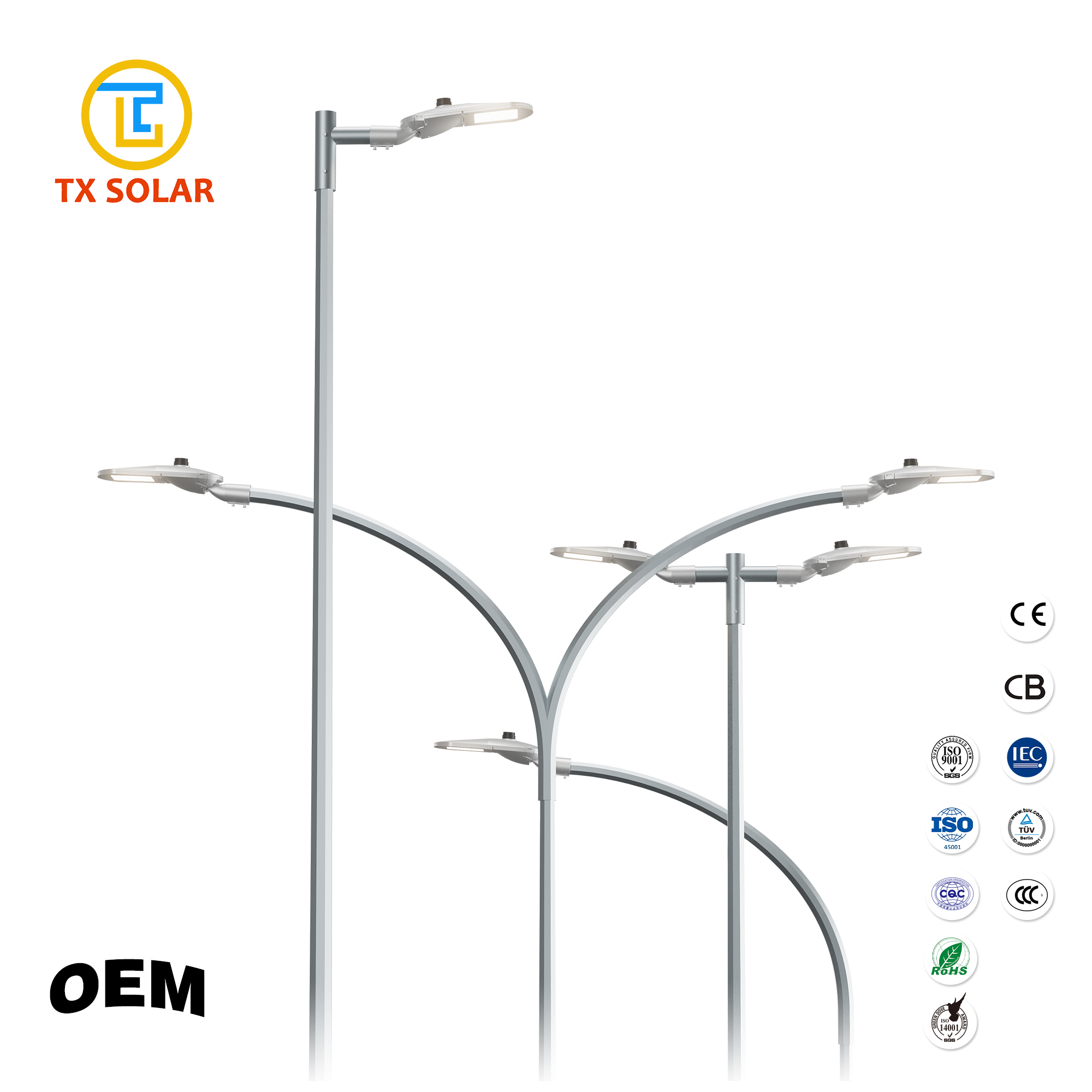
Mixed-use avenues characterized by multi-lane automobile traffic, curb-side cycling tracks, and dense pedestrian retail walkways demand dual-purpose lighting solutions. Advanced decorative post systems utilize tiered or dual-luminaire configurations: a high-mounting decorative mast arm directs asymmetric Type II/Type III beam distributions across vehicular driving lanes, while a secondary decorative luminaire mounted at pedestrian heights (3.5 to 4.5 meters) casts uniform Type V or diffuse light across sidewalks. This dual photometric deployment eliminates dark shadow zones, minimizes cross-traffic conflicts, and reduces pedestrian-vehicular collisions.
C. Smart Waterfronts, Coastal Ring Roads, and Scenic Expressways
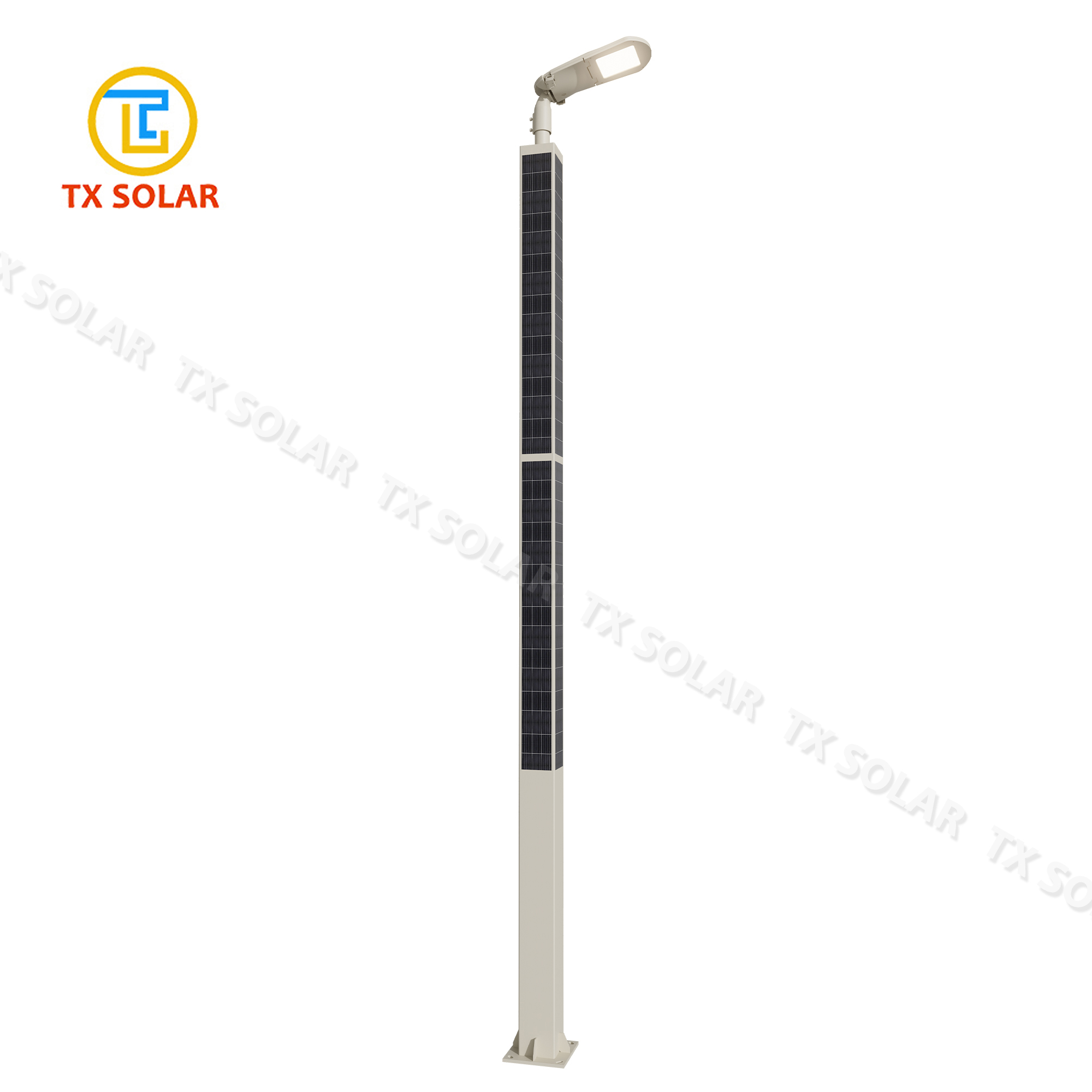
Coastal and maritime municipal roadways subject post lighting to extreme environmental degradation, including airborne saline mists, high ambient humidity, and severe cyclical wind loads. Decorative post installations for these environments require marine-grade C5-M anti-corrosion protective coatings, electro-statically applied polyester powder finishes, and IP67/IK10 environmental enclosures. Solar-integrated or hybrid decorative post lamps featuring vertical pole-wrapped photovoltaic cells eliminate the vulnerability of overhead panels to coastal typhoons while capturing high-angle solar radiation across daytime hours to maintain uninterrupted, carbon-neutral nighttime operation.
D. AI-Enabled Smart City Micro-Nodes
Under the emergent Smart City paradigm, municipal decorative post lamps function as the foundational micro-node infrastructure. Posts serve as mounting chassis for 5G micro base stations, real-time vehicular traffic density cameras, parking management sensors, public emergency alert call boxes, and municipal Wi-Fi transmitters. Powered by intelligent LED drivers with integrated DALI-2, Zigbee, or cellular NB-IoT transceivers, these smart decorative posts communicate status telemetry to centralized municipal control centers, enabling proactive failure detection, automated midnight adaptive dimming, and dramatic energy consumption reductions.
About Us: Professional Outdoor Lighting Manufacturer Since 1996
Decades of manufacturing precision, advanced digital fabrication, and international municipal project execution.
Who We Are
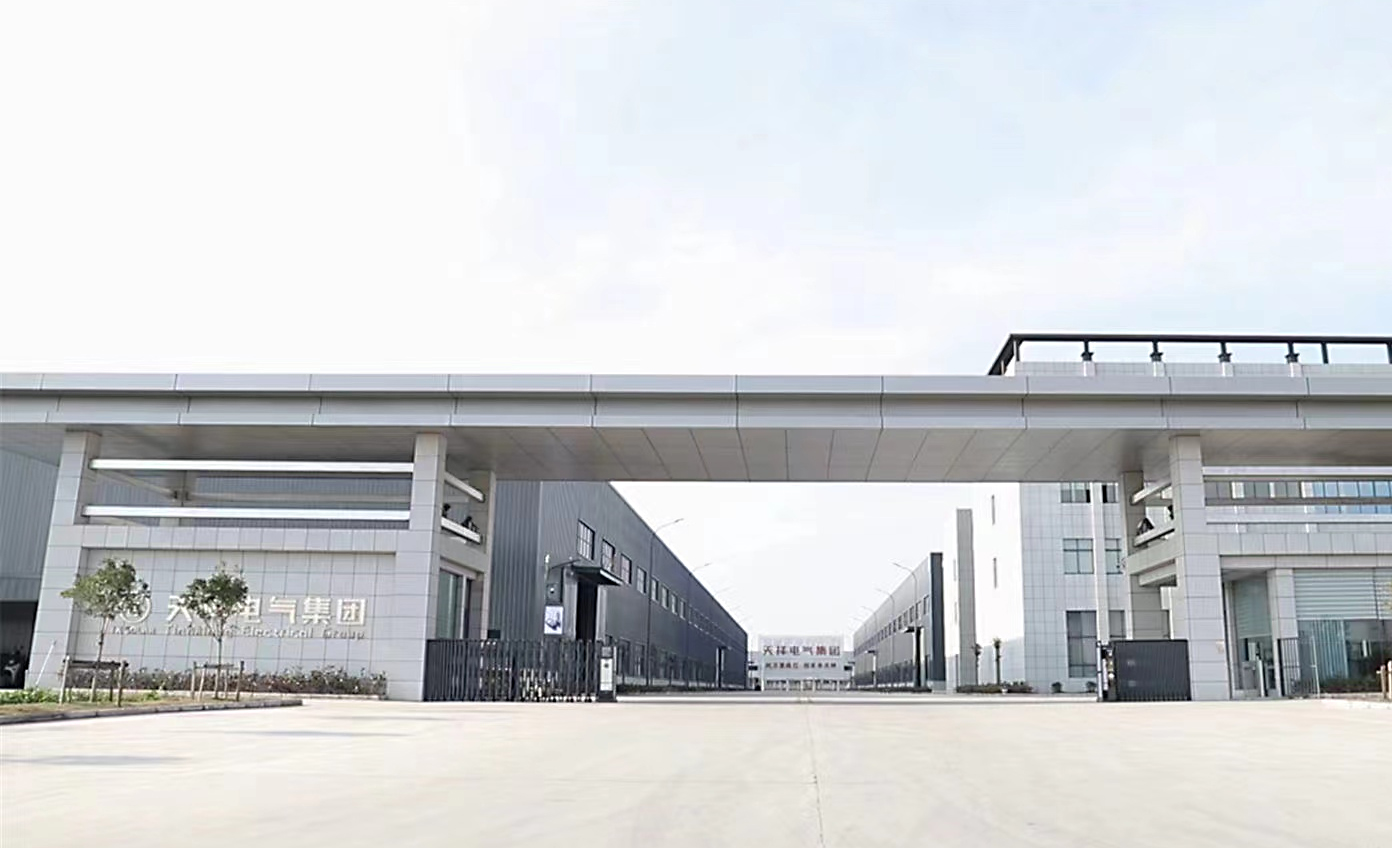
Yangzhou Tianxiang Road Lamp Equipment Co., Ltd. founded in 2008 and located in the smart Industrial Park of street lamp manufacturing base in Gaoyou City, Jiangsu Province, is a production-oriented enterprise focusing on street lamp manufacturing. At present, it has the most perfect and advanced digital production line in the industry. Up to now, the factory has been at the forefront of the industry in terms of production capacity, price, quality control, qualification and other competitiveness, with a cumulative number of lights on more than 1700000, in Africa and Southeast Asia, Many countries in South America and other regions occupy a large market share and become the preferred product supplier for many projects and engineering companies at home and abroad.
What We Have
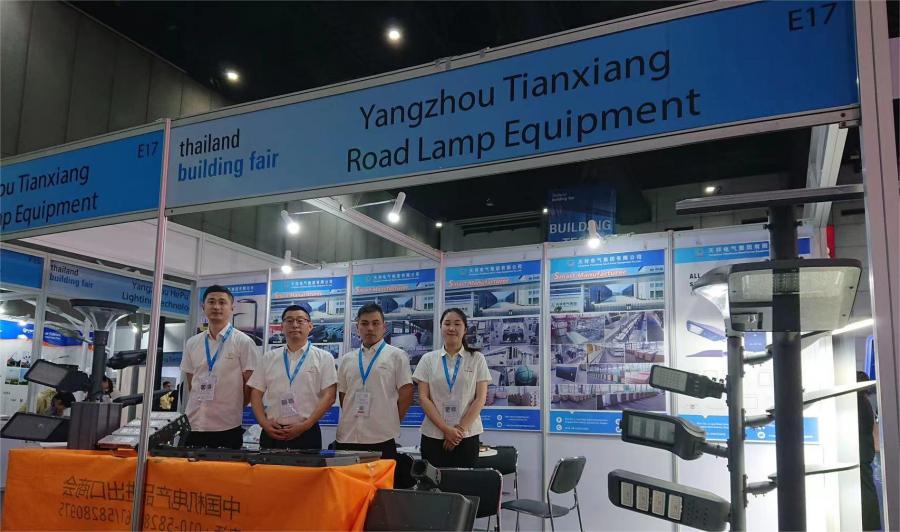
The company was established in 1996, join this new industrial zone in 2008. Now we have more than 200 people, R & D Personal 12 people, engineer 16 people, QC 4 people, International trade department: 16 people, sales department(china): 12 people.


Our Mission


Our Vision


Our Value
Full Municipal Roadway & Decorative Lighting Portfolio
Explore our complete catalog of industrial-grade municipal roadway luminaires, structural steel poles, and intelligent solar assemblies.
-

E-mail
-

Whatsapp
-

Top


