
Featured LED Street Light Products for Rural Areas
Our top-rated LED municipal street light solutions engineered for durability and performance in rural and remote environments.
Why LED Municipal Street Lights Matter in Rural & Remote Areas
Across the globe, more than 750 million people still lack access to reliable electricity, and an even larger proportion of rural communities remain without adequate public street lighting. The deployment of LED municipal street lights for rural and remote areas has emerged as a transformative infrastructure solution — not only enhancing nighttime safety and security but also driving economic productivity, educational outcomes, and community well-being after dark.
Traditional high-pressure sodium (HPS) and metal halide street lamps consume enormous energy and require frequent maintenance — costs that cash-strapped rural municipalities simply cannot sustain. Modern LED street lighting technologies, combined with solar power systems and intelligent controls, have redefined what is achievable in off-grid and partially-grid-connected regions. With lifespan ratings exceeding 50,000 hours, energy savings of up to 70% versus conventional alternatives, and plug-and-play solar integration, LED street lights are now the definitive choice for rural electrification and municipal infrastructure upgrades worldwide.
Commercial & Industrial Landscape: LED Street Lighting in Underserved Markets
A Rapidly Growing Global Market
The global LED street lighting market was valued at over USD 8 billion in 2023 and is projected to exceed USD 20 billion by 2032, with rural and remote area deployments accounting for the fastest-growing segment. Government-led rural electrification programs in Africa, Southeast Asia, South Asia, and Latin America are the principal market drivers, complemented by NGO infrastructure projects and private-sector investment in agro-industrial parks and logistics corridors.
Municipal authorities and project developers are increasingly specifying solar-integrated LED street lights for new rural road projects, recognising that off-grid solar LED solutions eliminate the need for costly grid extension — which can reach USD 20,000–50,000 per kilometre in remote terrain. The total cost of ownership (TCO) advantage of solar LED over grid-tied HPS lamps becomes evident within 2–3 years of deployment.
Major procurement channels include international development bank tenders (World Bank, AfDB, ADB), bilateral ODA programmes, and direct purchases by regional municipalities seeking to upgrade colonial-era lamp infrastructure on village roads, district highways, and market centres.
🔆 Core Advantages of LED Municipal Street Lights
Ultra-Low Energy Consumption
Advanced LED chip arrays deliver luminous efficacy of 160–200 lm/W, cutting energy bills by 60–75% compared to sodium vapour alternatives — critical for municipalities with limited budgets or unreliable grid supply.
Solar Off-Grid Capability
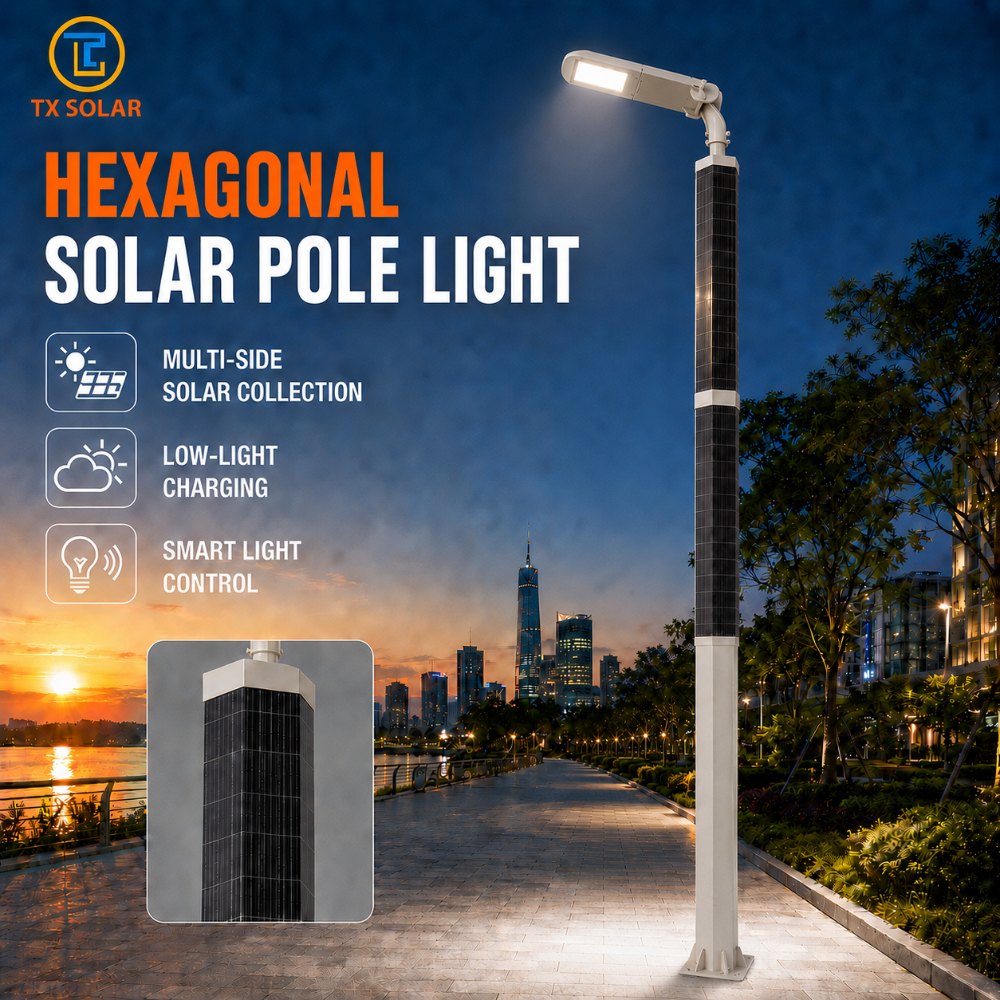
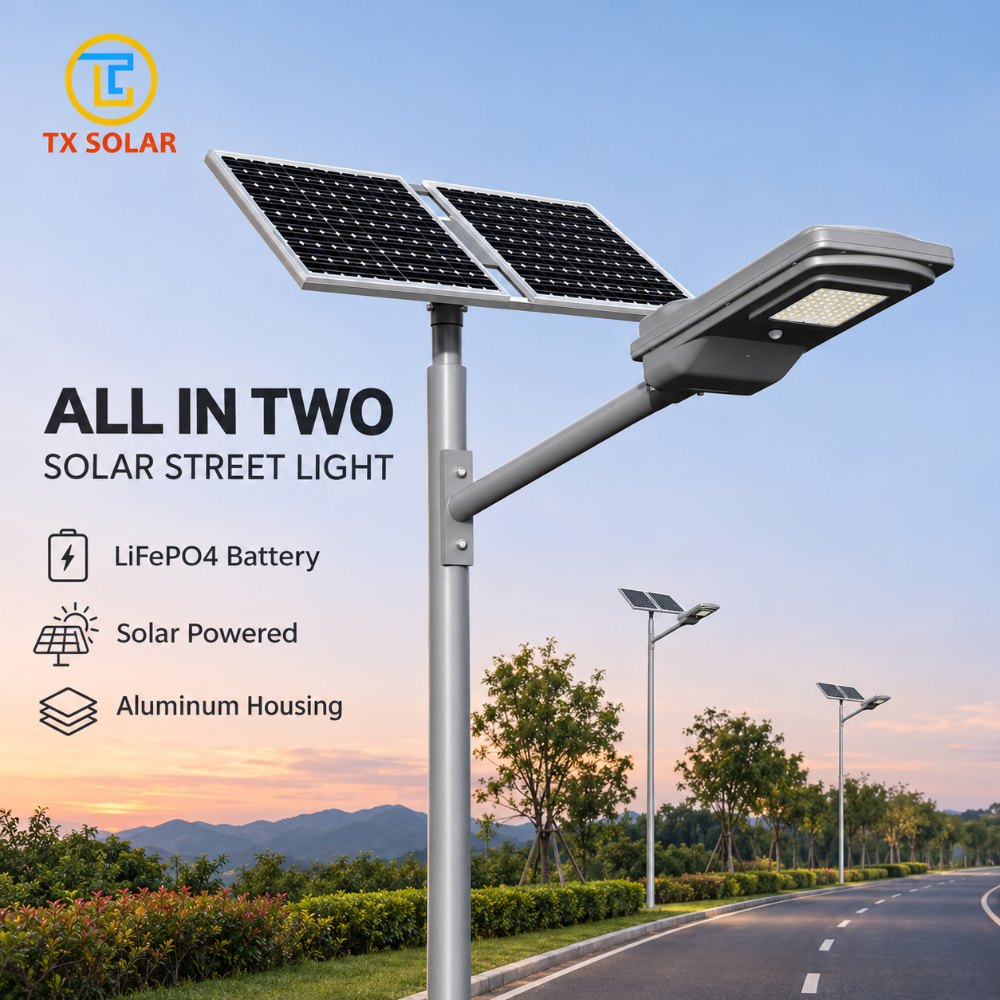
Fully integrated solar LED pole lights with LiFePO4 battery packs deliver 3–5 consecutive nights of autonomy, making them ideal for remote villages, desert roads, island communities, and highland settlements far from the nearest power grid.
Industrial-Grade Durability
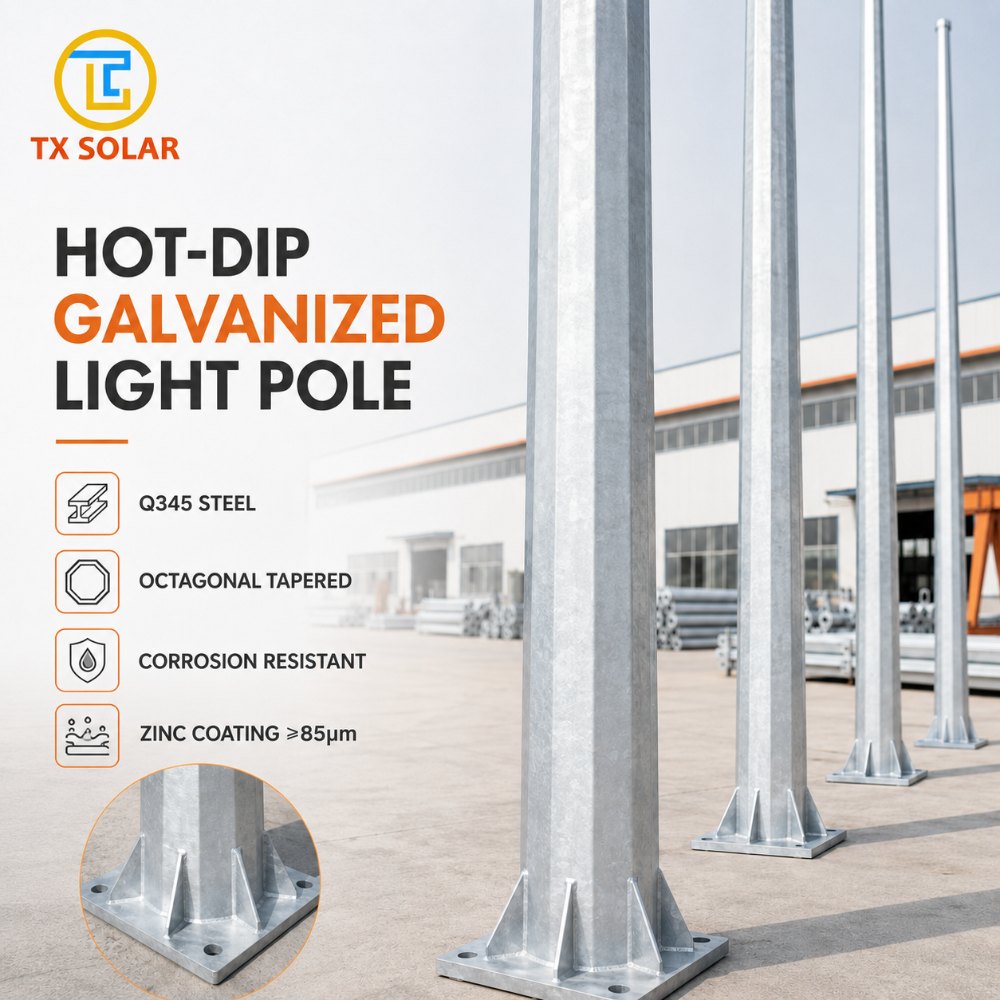
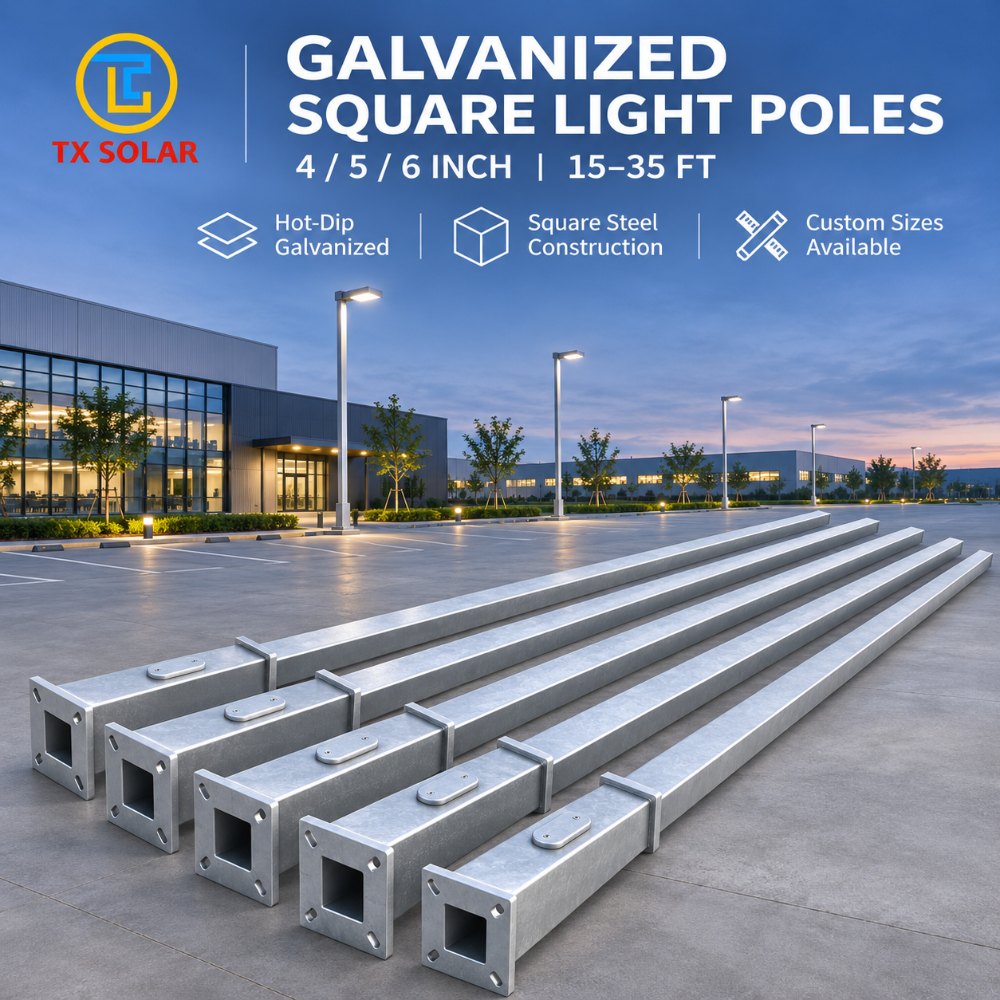
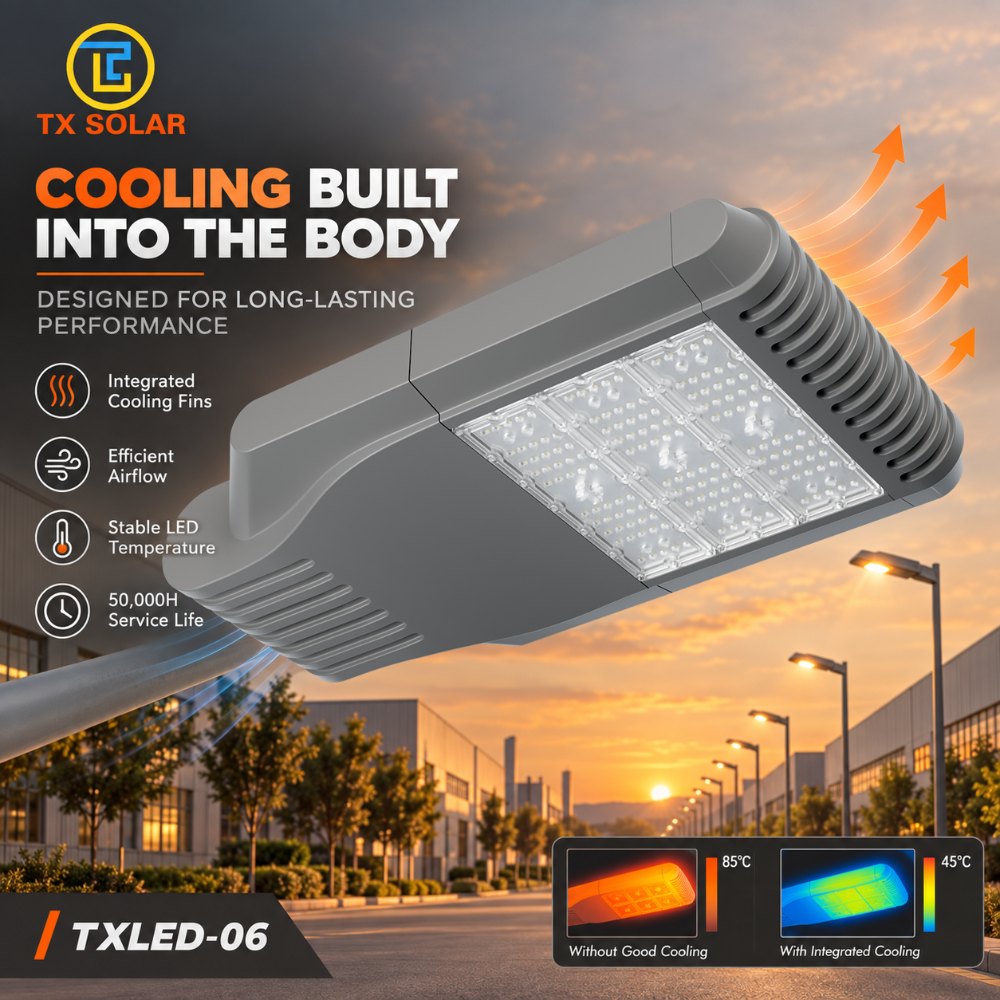
IP66/IP67 rated luminaire housings, die-cast aluminium heat sinks, and hot-dip galvanised or powder-coated steel poles provide robust protection against dust storms, tropical rainstorms, salt spray, and extreme temperature ranges from -40°C to +55°C.
Smart Dimming & IoT Control
Motion-activated dimming profiles and optional GPRS/NB-IoT remote monitoring allow operators to manage vast networks of rural street lights from a central dashboard — detecting faults, scheduling dimming, and generating energy reports in real time.
Minimal Maintenance Design
50,000-hour rated LED modules and self-cleaning tempered glass lenses dramatically reduce maintenance visits — a vital benefit in remote areas where technician travel costs and response times are prohibitive.
Rapid Modular Installation
Pre-assembled solar panels, plug-in connectors, and standardised pole mounting brackets allow village crews with minimal technical training to install complete street lighting systems in a single day, dramatically reducing project timelines and labour costs.
In-Depth Application Scenarios for Rural & Remote LED Street Lighting
From village footpaths to cross-country freight corridors, LED municipal street lights are reshaping how communities across the developing world experience the night.
Village Roads & Community Pathways
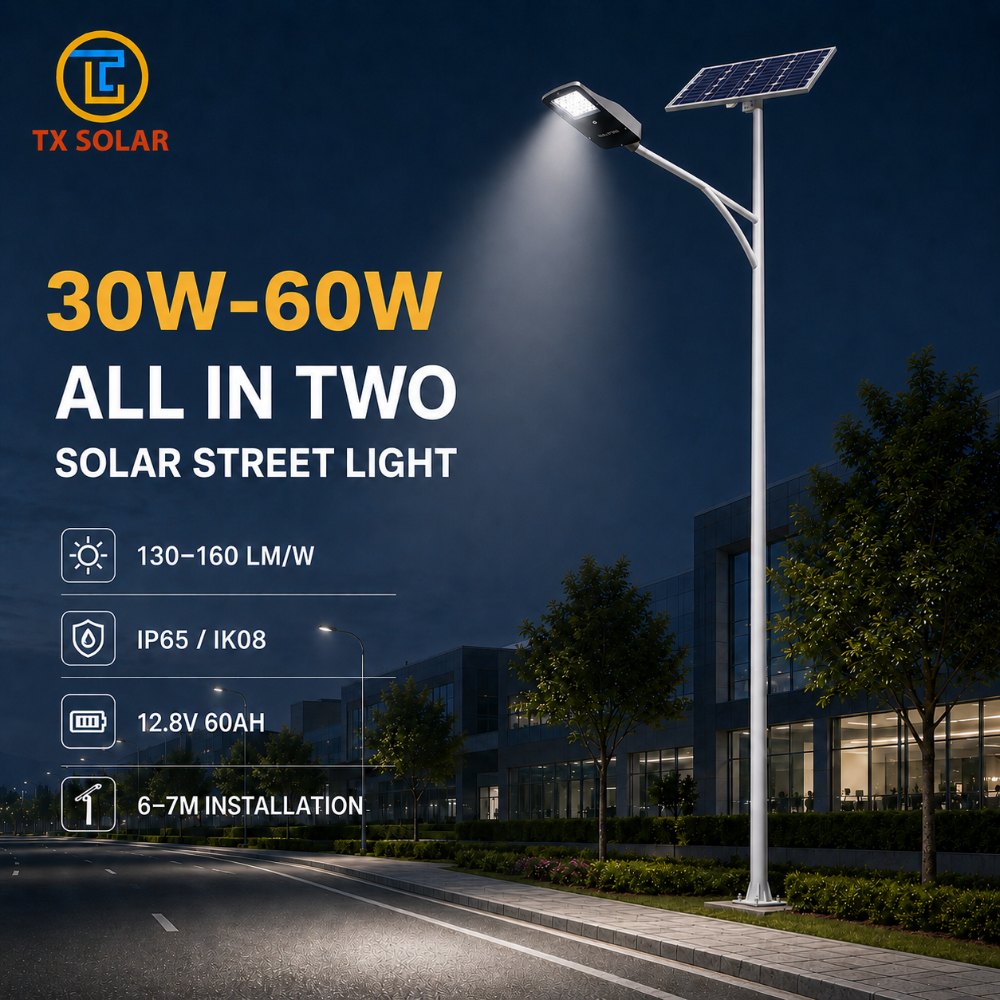
Solar LED pole lights on village main roads and community pathways extend safe movement hours, reduce road accident fatality rates, and enable nighttime social and economic activities in settlements far from the grid. Typical deployments use 30W–60W all-in-two solar street lights mounted on 6–8m galvanised poles.
Off-Grid Solar LEDRural District Highways & County Roads
High-power LED street lights on rural highways reduce nighttime collision rates by up to 45%. Grid-tied or hybrid solar-grid LED systems on 10–12m poles with 80W–150W outputs provide uniform illuminance levels meeting international road lighting standards (EN 13201, IES RP-8).
Highway LED LightingAgricultural Parks & Farmland Processing Zones
Agro-industrial clusters require all-night illumination for crop processing, cold storage access, and security. High-lumen LED flood-type street lights on octagonal or square galvanised poles provide broad-area coverage across expansive farmland facility perimeters.
Industrial LED ApplicationSchools, Clinics & Public Service Buildings
Illuminating access roads to rural schools and health clinics extends learning and healthcare service hours. Studies show that electrification of school compounds through solar LED street lighting leads to measurable improvements in student performance and healthcare utilisation rates in sub-Saharan Africa and South Asia.
Social InfrastructureMining, Oil & Gas Remote Sites
Resource extraction camps and pipeline service roads in desert, jungle, or arctic environments demand ruggedised LED street lighting systems capable of withstanding extreme conditions. Explosion-proof rated LED pole lights and standalone solar LED towers serve these critical industrial applications around the clock.
Extreme EnvironmentCoastal Villages & Island Communities
Salt-resistant, corrosion-proof aluminium LED street lights mounted on hot-dip galvanised or stainless-steel poles are essential for coastal and island fishing villages, ferry terminals, and marine park access roads where humidity and salt spray accelerate corrosion of conventional fixtures.
Coastal LED LightingDevelopment Trends: The Future of Rural LED Street Lighting
🔋 AI-Driven Energy Management Systems
Next-generation LED street light controllers incorporate machine learning algorithms that optimise dimming schedules based on real-time traffic data, ambient light sensors, and historical usage patterns — automatically achieving the ideal balance of visibility and energy conservation across entire municipal networks.
📡 5G-Ready Smart Pole Infrastructure
Municipal LED street light poles are evolving into multi-function smart infrastructure nodes, integrating 5G small cell antennas, environmental sensors, EV charging outlets, and emergency communication systems. This convergence transforms rural infrastructure investment into a multi-decade digital dividend.
🌞 Hybrid Solar-Wind LED Systems
In regions with seasonal cloud cover or insufficient solar irradiance, hybrid solar-wind turbine LED street light systems are gaining traction. Compact vertical-axis wind turbines combined with monocrystalline solar panels ensure reliable off-grid operation year-round, even in challenging climates such as the Sahel, Himalayan foothills, and Pacific island chains.
♻️ Carbon Credit & ESG Financing Frameworks
Rural LED street lighting projects are increasingly structured as carbon offset programmes under UNFCCC-approved methodologies, allowing project developers to generate and sell certified emission reductions (CERs). ESG-driven institutional investors are funding large-scale LED street light roll-outs across Africa and Asia as part of portfolio decarbonisation strategies.
🏭 Localised Manufacturing & Technology Transfer
To overcome import duties and supply chain vulnerabilities, leading LED street light manufacturers are establishing regional assembly and warehousing hubs closer to key markets in East Africa, West Africa, South Asia, and Southeast Asia — ensuring faster delivery, local after-sales support, and job creation in host communities.
🔦 Adaptive Colour Temperature Technology
Tunable white LED street lights that dynamically shift colour temperature from warm 2700K in residential zones to cool 5000K on arterial roads are reducing light pollution complaints while improving driver alertness. This technology is finding growing adoption in rural tourism corridors and biodiversity conservation areas where ecological night-sky impacts are a concern.
About Tianxiang — Your Trusted LED Street Light Partner
Who We Are
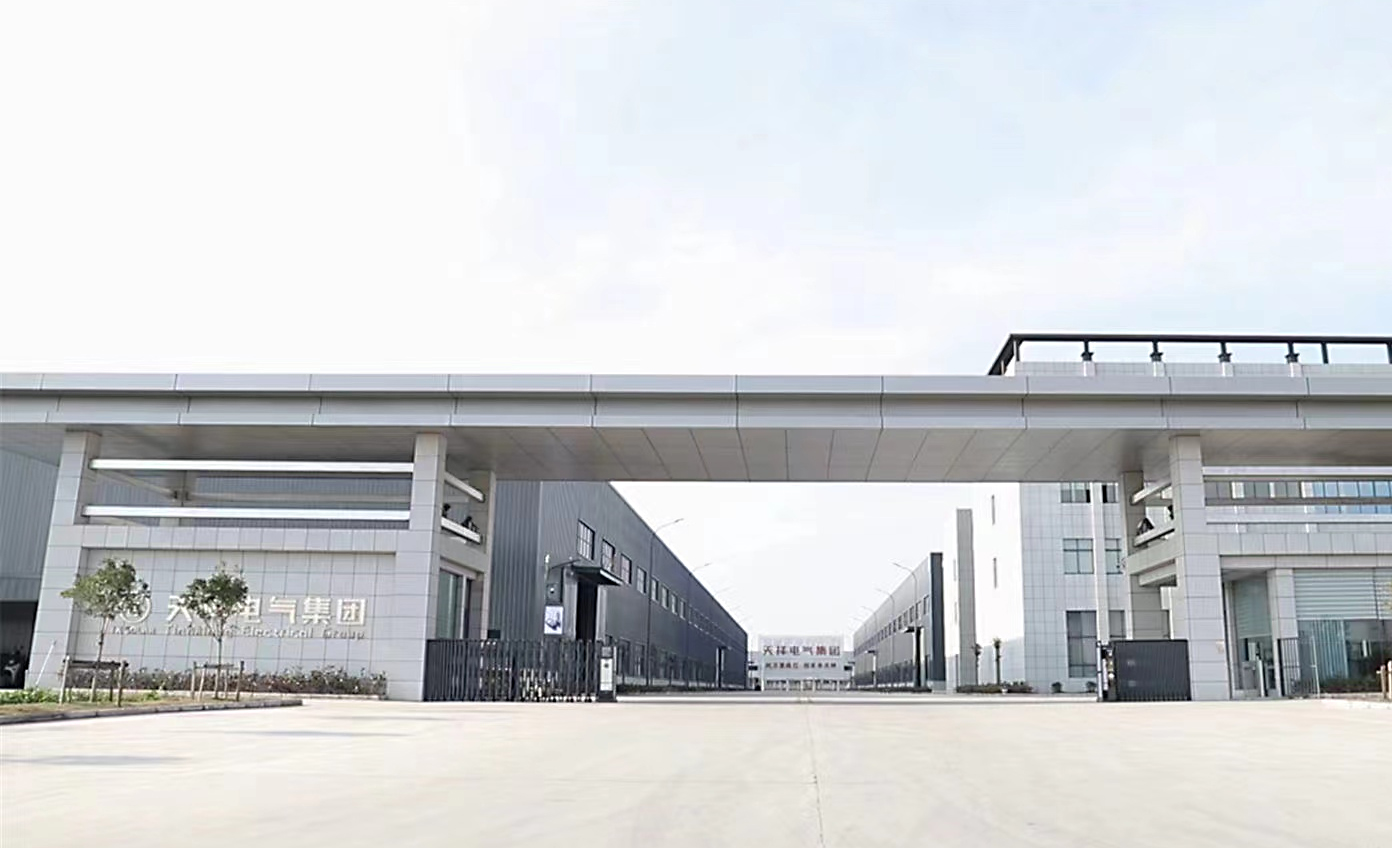
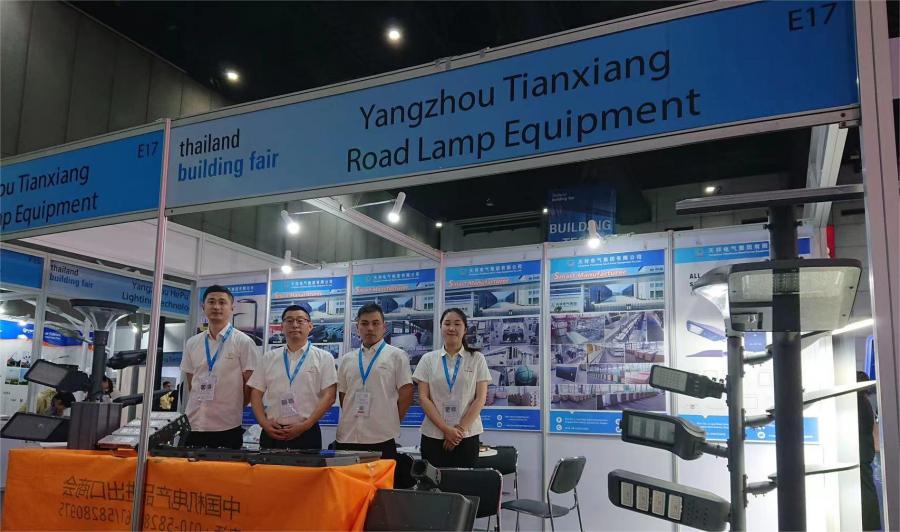
Yangzhou Tianxiang Road Lamp Equipment Co., Ltd. founded in 2008 and located in the smart Industrial Park of street lamp manufacturing base in Gaoyou City, Jiangsu Province, is a production-oriented enterprise focusing on street lamp manufacturing. At present, it has the most perfect and advanced digital production line in the industry. Up to now, the factory has been at the forefront of the industry in terms of production capacity, price, quality control, qualification and other competitiveness, with a cumulative number of lights on more than 1,700,000, in Africa and Southeast Asia, many countries in South America and other regions occupy a large market share and become the preferred product supplier for many projects and engineering companies at home and abroad.
What We Have
The company was established in 1996, joining this new industrial zone in 2008. Now we have more than 200 people, R&D Personnel 12 people, engineers 16 people, QC 4 people, International trade department: 16 people, sales department (China): 12 people. Our state-of-the-art digital production lines, combined with rigorous quality management systems, ensure every LED street light and pole product we deliver meets the highest international standards — from initial design through final factory inspection.
Enterprise Culture


Our Mission
Continuous improvement, technological innovation, and the pursuit of 100% customer satisfaction in every LED municipal street light solution we deliver.


Our Vision
To be the world's leading brand in renewable energy and energy-efficient LED lighting — bringing light to every rural road, remote community, and underserved municipality on earth.


Our Value
Open, harmonious, pragmatic and innovative — we build lasting partnerships with governments, NGOs, and private developers who share our commitment to sustainable rural infrastructure.
What You Get With Tianxiang
We have a powerful R&D and engineer team that offer exceptional products and technical supports, and we have our own solar panel, solar battery and lighting workshops.
Full Product Range
LED street lights, solar pole lights, galvanised steel poles, aluminium posts and smart controllers for every rural application.
In-House R&D
12 dedicated R&D engineers continuously developing next-generation LED modules, solar integration systems, and intelligent dimming technologies.
Rigorous QC
Four dedicated QC specialists and ISO-certified processes ensure every product leaves our factory meeting IEC, CE, RoHS, and project-specific standards.
Global Export Expertise
16-person international trade team with deep experience in Africa, Southeast Asia, South America, and Middle East project documentation and logistics.
Own Solar Workshop
In-house solar panel and LiFePO4 battery production ensures vertical integration, quality control, and competitive pricing on all solar LED street light systems.
Large-Scale Production
Advanced digital production lines with capacity for large municipal and national infrastructure tenders, backed by proven delivery of 1.7 million+ lights globally.
Project Technical Support
Turnkey technical assistance including lighting design simulation, photometric reports, installation guidance, and after-sales maintenance documentation.
Competitive Factory Pricing
Direct factory pricing with no intermediary markup — maximising budget efficiency for large-scale rural electrification and municipal street lighting projects.
Complete Range of LED Street Light Solutions for Rural Infrastructure
Explore our full portfolio of LED municipal street lights, solar pole lights, and accessory products designed for rural and remote area deployments.
Power Your Rural Community With Smart LED Street Lighting
Contact Tianxiang today for competitive factory pricing, technical consultation, and customised LED municipal street light solutions tailored to your rural or remote area project requirements.
Get a Free Quote Now-

E-mail
-

Whatsapp
-

Top


