
Featured Campus Solar Lamp Post Systems
Engineered for high visibility, zero zero-grid dependency, and intelligent illuminated pathways across educational facilities.
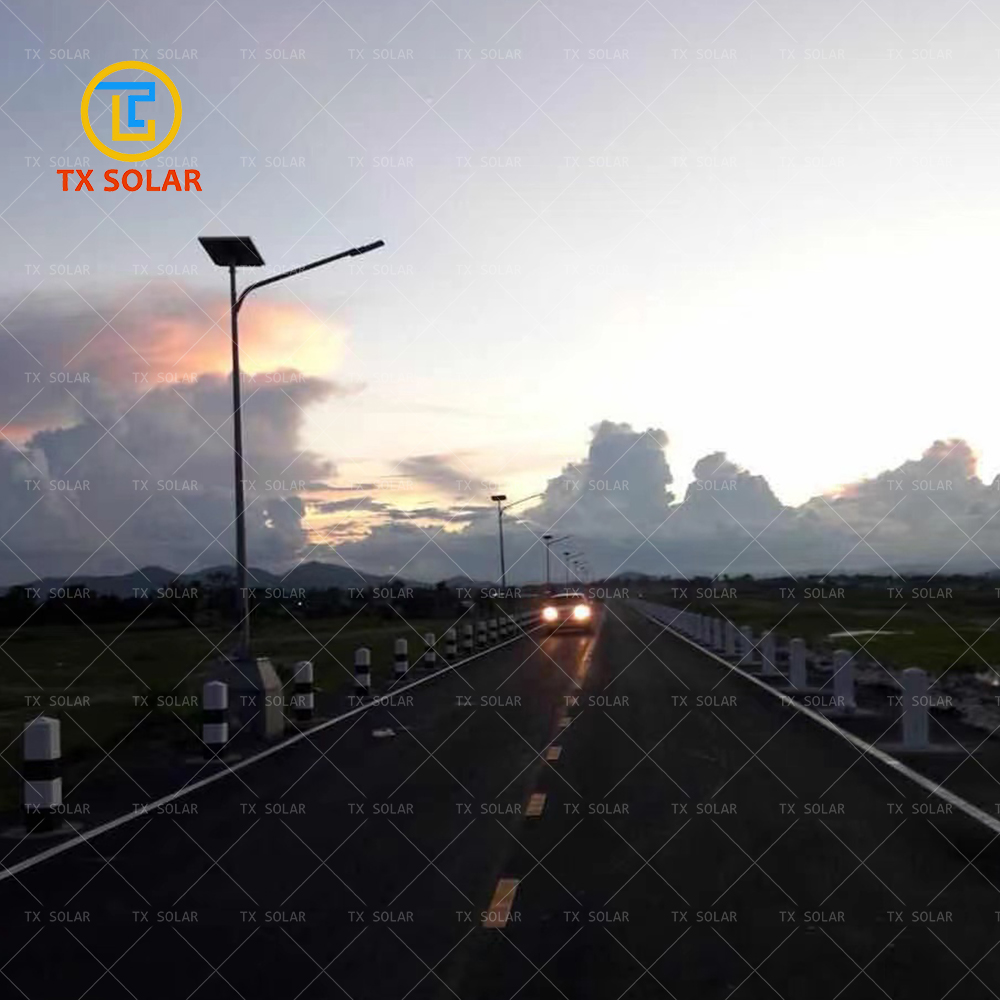
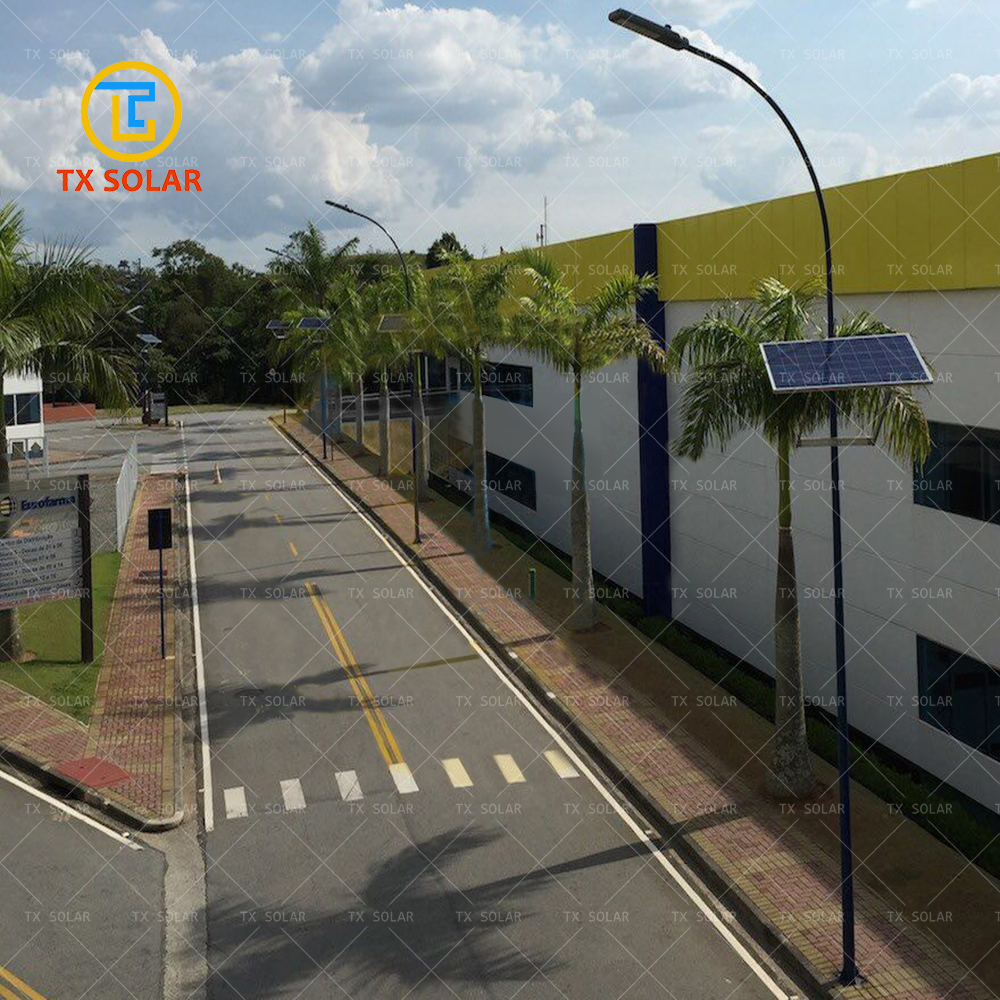
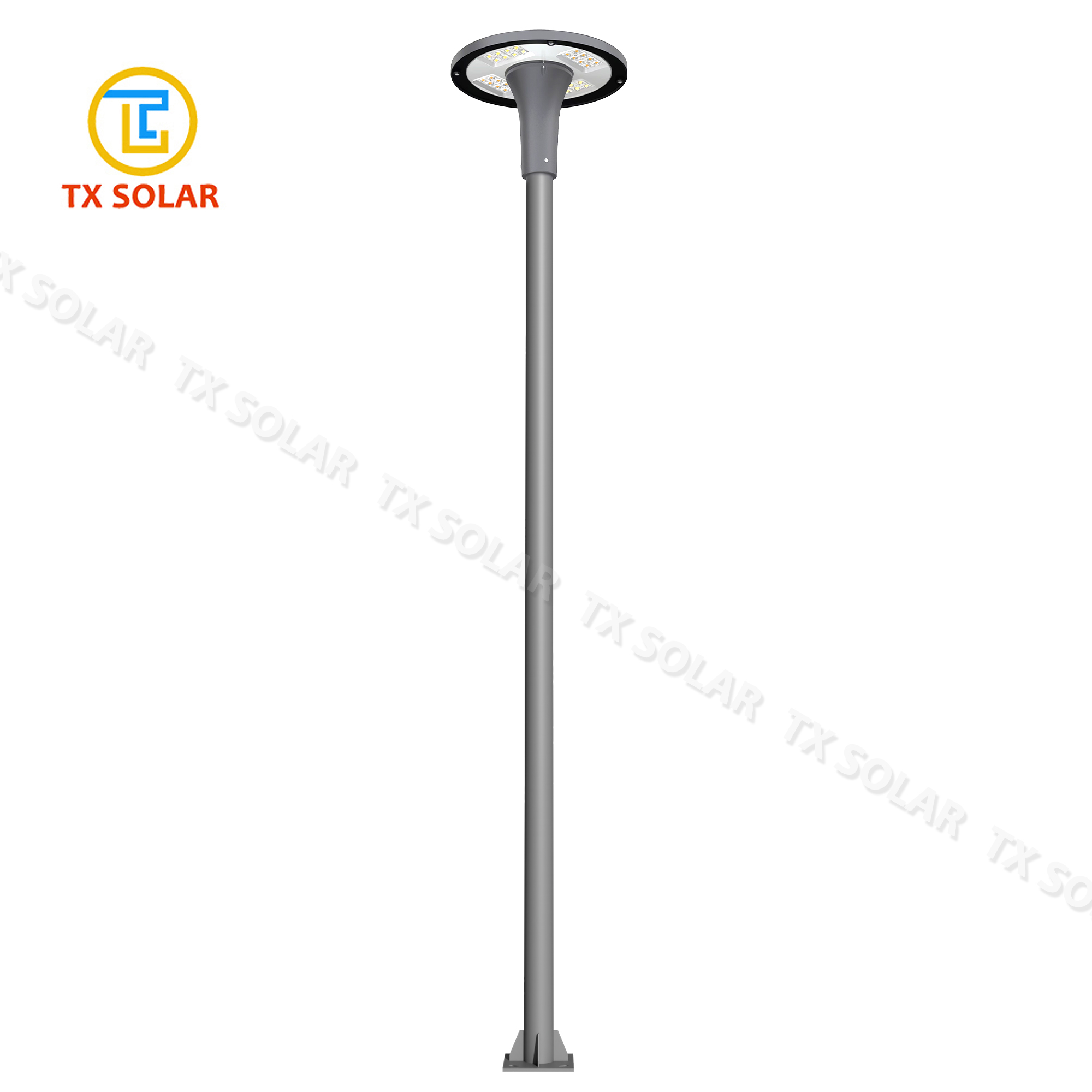
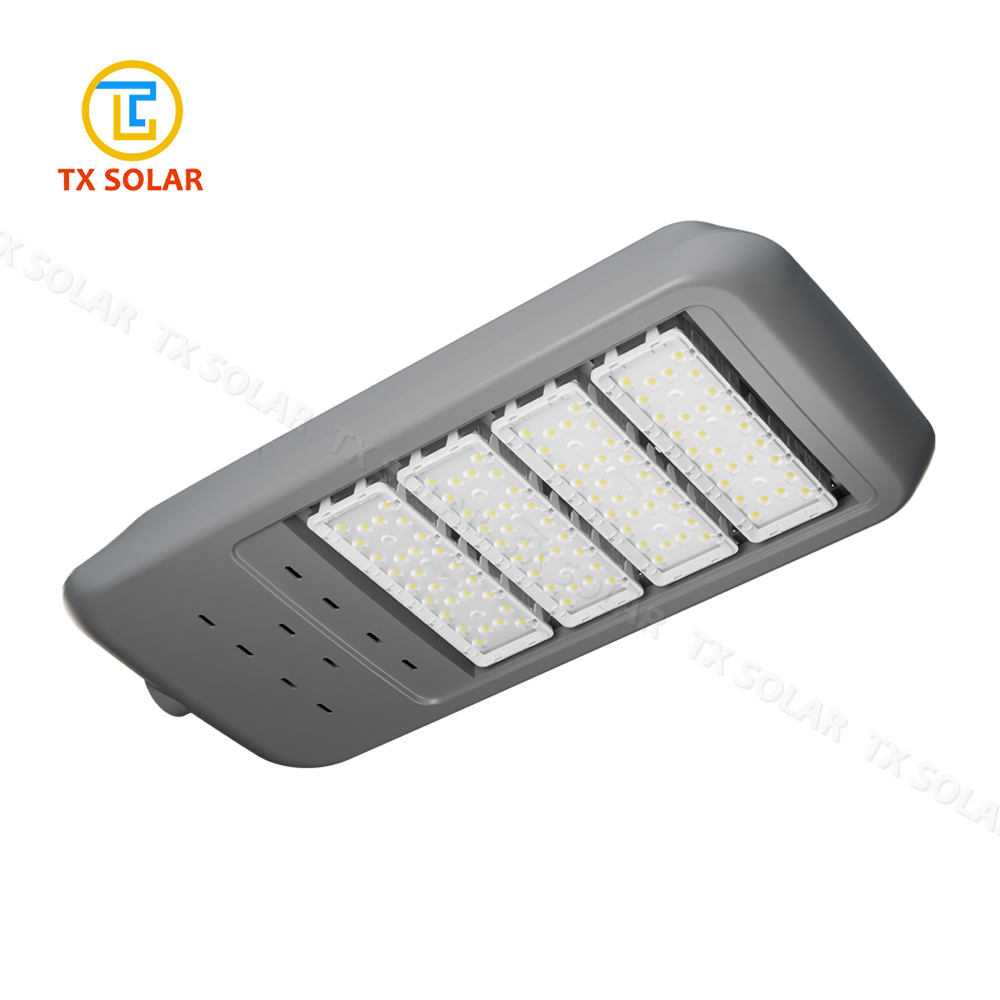
Industrial Landscape & Growth of Solar Campus Lighting
Analyzing the shift toward zero-emission energy infrastructure across K-12 school districts and higher education institutions.
In recent years, modern educational institutions—ranging from K-12 primary school facilities to sprawling multi-square-kilometer university campuses—have initiated sweeping transformations toward sustainability, carbon neutrality, and modernized security systems. A pivotal facet of this green evolution is the upgrade of traditional, grid-tied outdoor lighting systems to high-efficiency Solar Driveway Lamp Post systems. Modern educational campuses present unique architectural and logistical environments: they require uninterrupted night-time illumination across expansive vehicular access roads, student housing driveways, faculty parking zones, and pedestrian-shared thoroughfares.
Historically, illuminating institutional access roads entailed massive capital expenditures (CAPEX) due to deep underground trenching, heavy cabling, conduit installation, and continuous grid electricity consumption (OPEX). Furthermore, campus expansion projects often faced physical grid limitations or prohibitive costs when extending power to remote athletic fields or outer parking facilities. The emergence of commercial-grade Solar Driveway Lamp Posts for school and university campuses resolves these traditional bottlenecks by providing entirely autonomous, off-grid, and zero-carbon lighting installations.
Zero Carbon Footprint
Directly aligned with global academic ESG (Environmental, Social, and Governance) targets. Harnessing high-efficiency monocrystalline solar panels mitigates hundreds of metric tons of CO2 emissions annually per campus deployment.
Enhanced Campus Safety
Illuminated driveways deter unauthorized access, reduce traffic mishaps, and eliminate dark zones. Solar lamp posts remain 100% operational during unexpected localized power grid outages, ensuring student safety.
90% Trenching Cost Reduction
By eliminating the requirement for copper wire underground trenching, concrete ducting, and power distribution panels, installation labor and civil works costs drop dramatically.
Technical Architecture of Commercial Solar Driveway Lamp Posts
Advanced optoelectronics, smart energy management, and rugged mechanical engineering built for institutional durability.
Designing outdoor illumination infrastructure for academic campuses demands strict adherence to photometric uniformity, glare reduction, structural safety, and high operational reliability across diverse climate conditions. A professional-grade campus solar driveway lamp post integrates several cutting-edge sub-systems:
1. High-Efficiency Photovoltaic (PV) Modules
Modern solar driveway posts utilize N-type Monocrystalline Silicon solar panels with conversion efficiencies exceeding 22.5%. Coated with anti-reflective tempered glass and housed within anodized aluminum frames, these modules maximize energy harvest even under diffuse sunlight, overcast weather, or high-latitude winter conditions typical of northern university campuses.
2. Energy Storage: LiFePO4 & Gel Battery Technologies
Energy storage represents the heart of reliable night-time driveway lighting. Deep-cycle Lithium Iron Phosphate (LiFePO4) batteries offer up to 4,000 charge cycles at 80% Depth of Discharge (DoD), featuring operating thermal tolerance between -20°C and +65°C. For extreme cold regions or budgets requiring heavy-duty resilience, long-life maintenance-free Gel batteries maintain exceptional stability over extended rainy days (up to 5-7 days of continuous autonomy).
3. Maximum Power Point Tracking (MPPT) Smart Controllers
Integrated MPPT micro-controllers operate at over 98% tracking efficiency. These intelligent units dynamically balance charging voltage based on real-time solar irradiancy and ambient temperature. Additionally, they facilitate multi-stage adaptive dimming schedules—such as 100% brightness during peak evening hours (6:00 PM - 10:00 PM), dimming to 30% during low-traffic midnight hours, and ramping up to 70% during early morning rush hours.
4. Precision Optical & Dark-Sky Compliant LED Luminaire Head
To prevent light pollution in campus residential dormitories and astronomy observatories, luminaires feature asymmetric Type II and Type III batwing optical lenses. This precise light distribution directs lumens exclusively onto the asphalt driveway surface without unwanted glare, light trespass, or skyglow.
Target Application Scenarios Across Educational Campuses
Tailored lighting solutions engineered specifically for diverse spatial zones within high-school, college, and university grounds.
Scenario A: Main Campus Entrance & Primary Vehicular Arteries
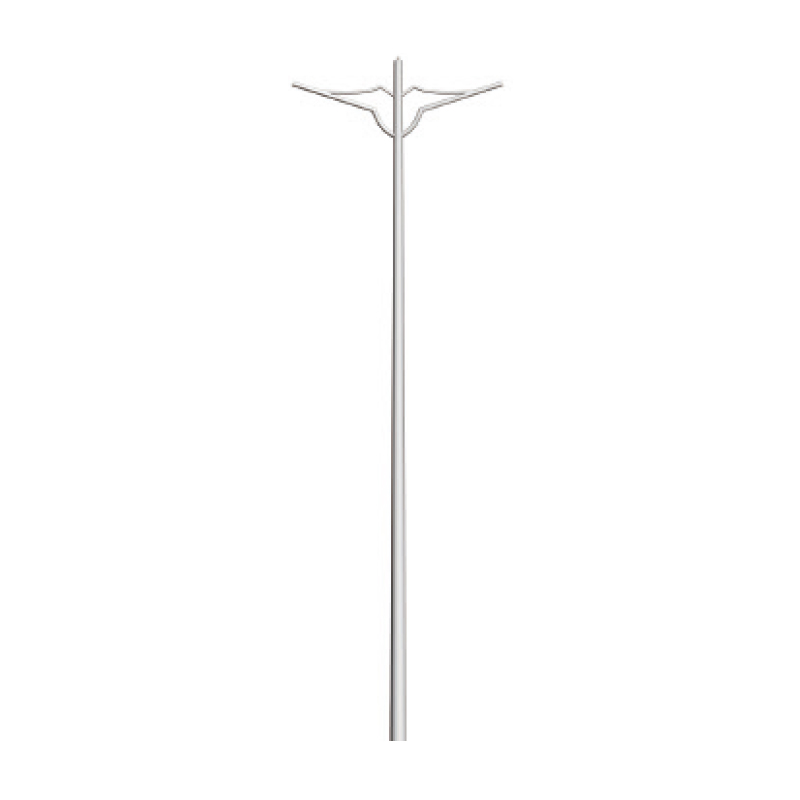
Main entrances demand high lux levels (20–30 Lux) to accommodate high vehicular velocity, bus transit, and security checkposts. Dual-arm solar lamp posts mounted on 8m to 9m hot-dipped galvanized steel poles provide wide, dual-lane illumination while serving as an aesthetic landmark for incoming visitors.
Scenario B: Student Dormitory & Residential Quad Driveways
Dormitory access roads require soft, warm-to-neutral light (3000K-4000K CCT) with integrated microwave motion sensors. The posts operate at low baseline energy (20%) when no activity is detected, instantly ramping up to 100% when students or vehicles approach, delivering safety without disturbing sleeping quarters.
Scenario C: Outdoor Athletic Complexes & Perimeter Access Roads
Perimeter roads and athletic facility driveways often sit far from the core central power grid. Deploying standalone all-in-one or split solar driveway lamp posts avoids millions of dollars in power grid extension costs, delivering self-sustaining light to remote stadium access zones.
Scenario D: Eco-Parks, Campus Trails & Shared Pedestrian Paths
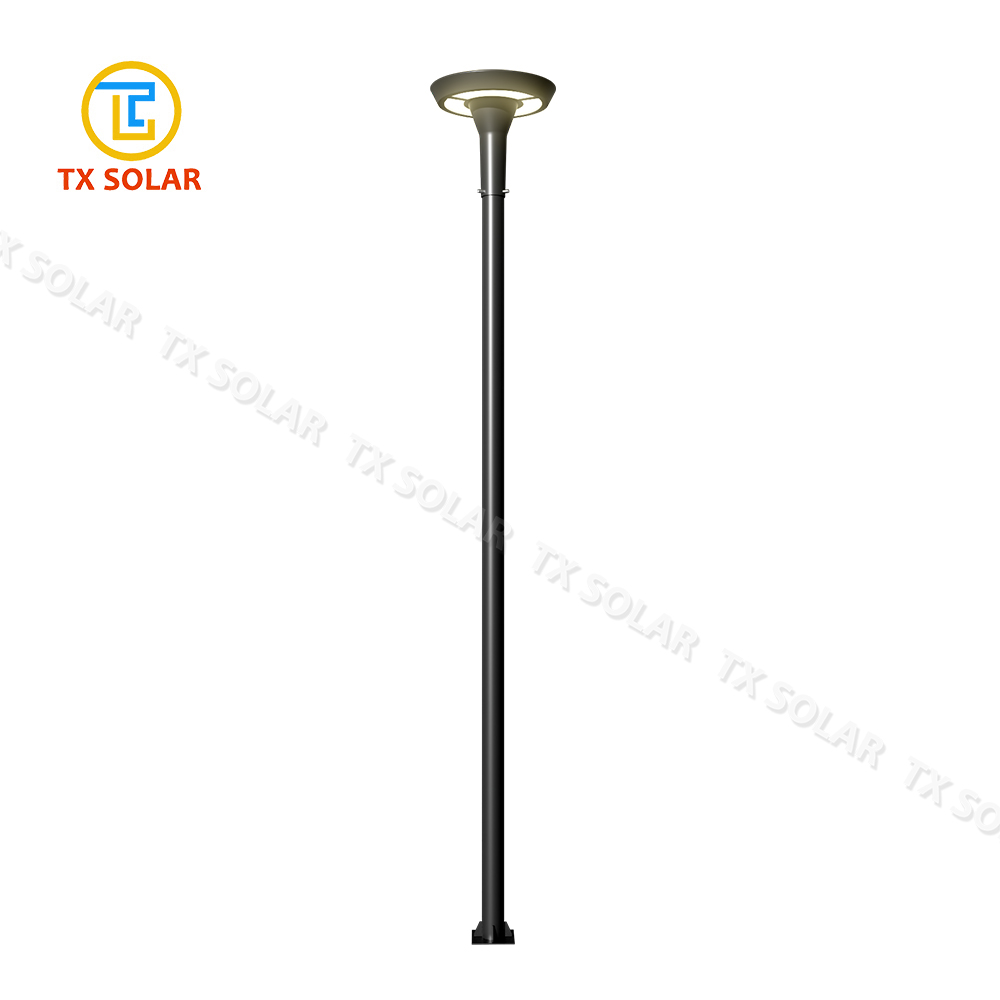
Universities with extensive green reserves, botanical gardens, or lake trails benefit from modern decorative solar post top lights. These luminaires harmonize visually with natural campus aesthetics while upholding strict environmental conservation standards.
Economic Return on Investment (ROI) & Sustainability Impact
Unlocking long-term financial savings and measurable environmental benefits for administrative planning.
When institutional procurement committees evaluate lighting infrastructure projects, Total Cost of Ownership (TCO) analysis consistently highlights the economic superiority of standalone solar driveway lamp posts over traditional AC grid lighting:
- Zero Ongoing Energy Costs: Solar driveways draw 100% of their operational energy from the sun. Campus electricity utility bills for perimeter lighting are permanently reduced to zero dollar values.
- Drastic Civil Works Reductions: Trenching through existing asphalt driveways, concrete sidewalks, and landscaped university plazas can cost between $30 to $80 per linear meter. Solar posts eliminate asphalt tearing, re-paving, and conduit laying entirely.
- Low Maintenance & Extended Lifespan: High-purity die-cast aluminum housings (ADC12) coated with anti-corrosion fluorocarbon powder painting withstand heavy weather, UV degradation, and coastal salt spray, yielding an architectural lifespan exceeding 20+ years for poles and solar modules.
PROFESSIONAL OUTDOOR LIGHTING MANUFACTURER SINCE 1996
Delivering over 1.7 Million Street Lighting Installations Globally
Who We Are
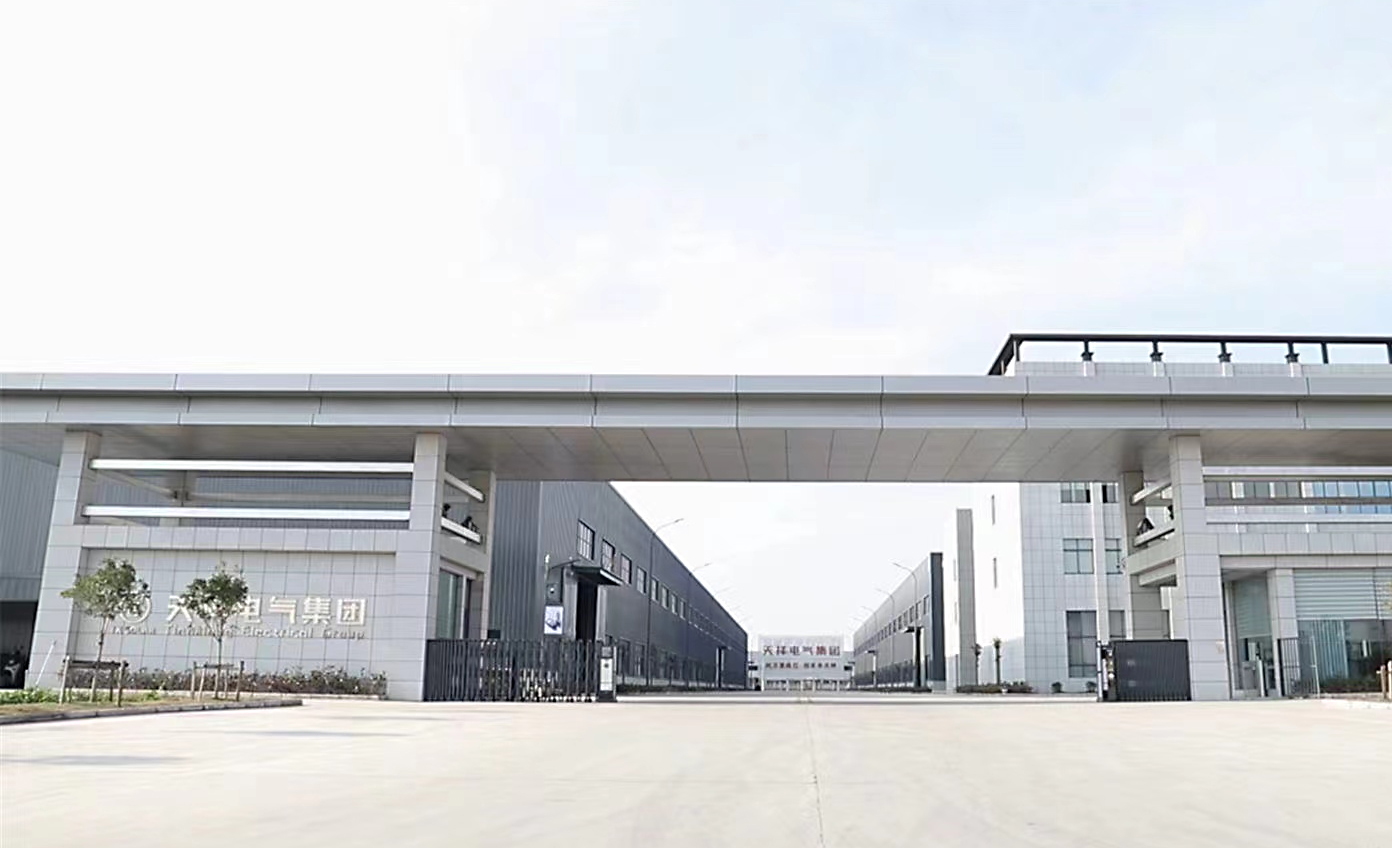
Yangzhou Tianxiang Road Lamp Equipment Co., Ltd. founded in 2008 and located in the smart Industrial Park of street lamp manufacturing base in Gaoyou City, Jiangsu Province, is a production-oriented enterprise focusing on street lamp manufacturing. At present, it has the most perfect and advanced digital production line in the industry. Up to now, the factory has been at the forefront of the industry in terms of production capacity, price, quality control, qualification and other competitiveness, with a cumulative number of lights on more than 1700000, in Africa and Southeast Asia, Many countries in South America and other regions occupy a large market share and become the preferred product supplier for many projects and engineering companies at home and abroad.
What We Have
The company was established in 1996, join this new industrial zone in 2008. Now we have more than 200 people, R & D Personal 12 people, engineer 16 people, QC 4 people, International trade department: 16 people, sales department(china): 12 people.
We have a powerful R&D and engineer team, that offer exceptional products and technical supports, and we have our own solar panel, solar battery and lighting workshops.
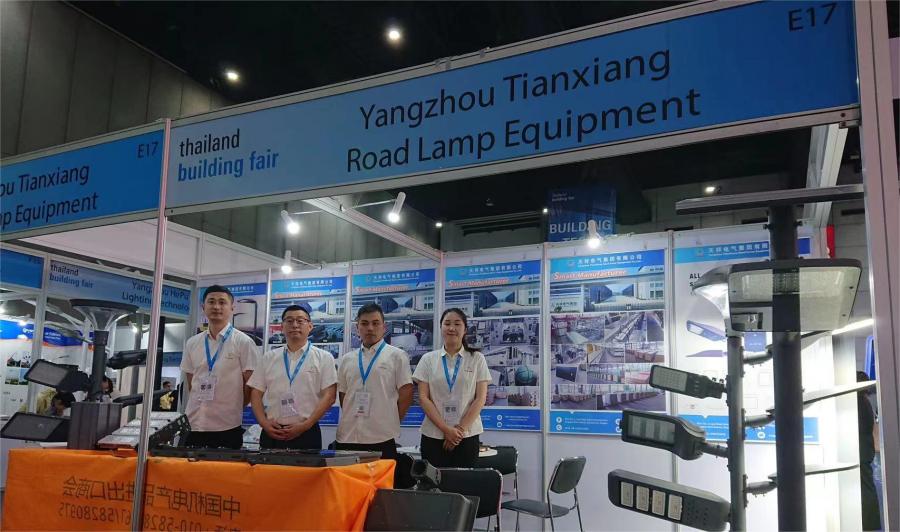
Enterprise Culture
Driven by innovation, reliability, and commitment to global renewable energy leadership.

Our Mission

Our Vision

Our Value
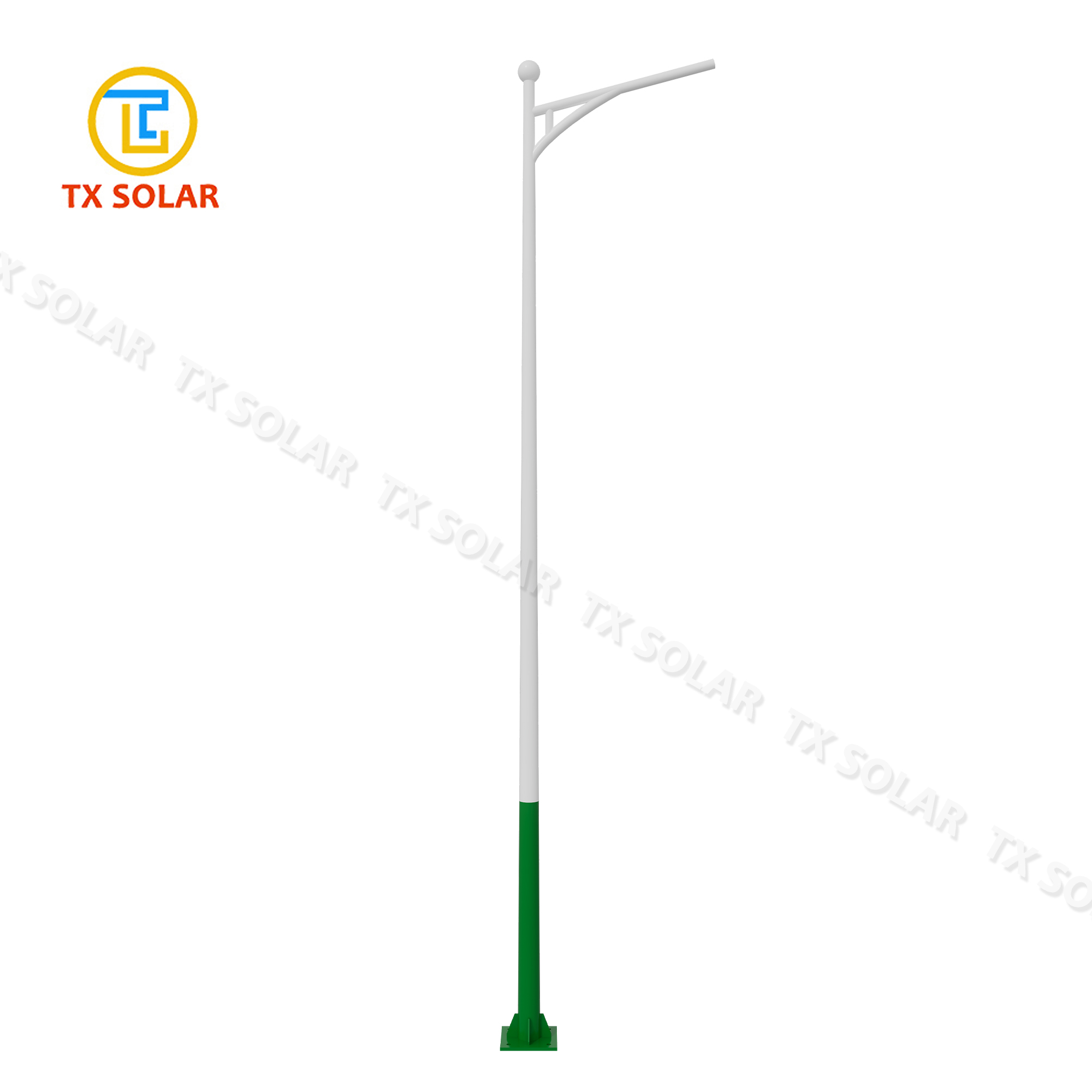
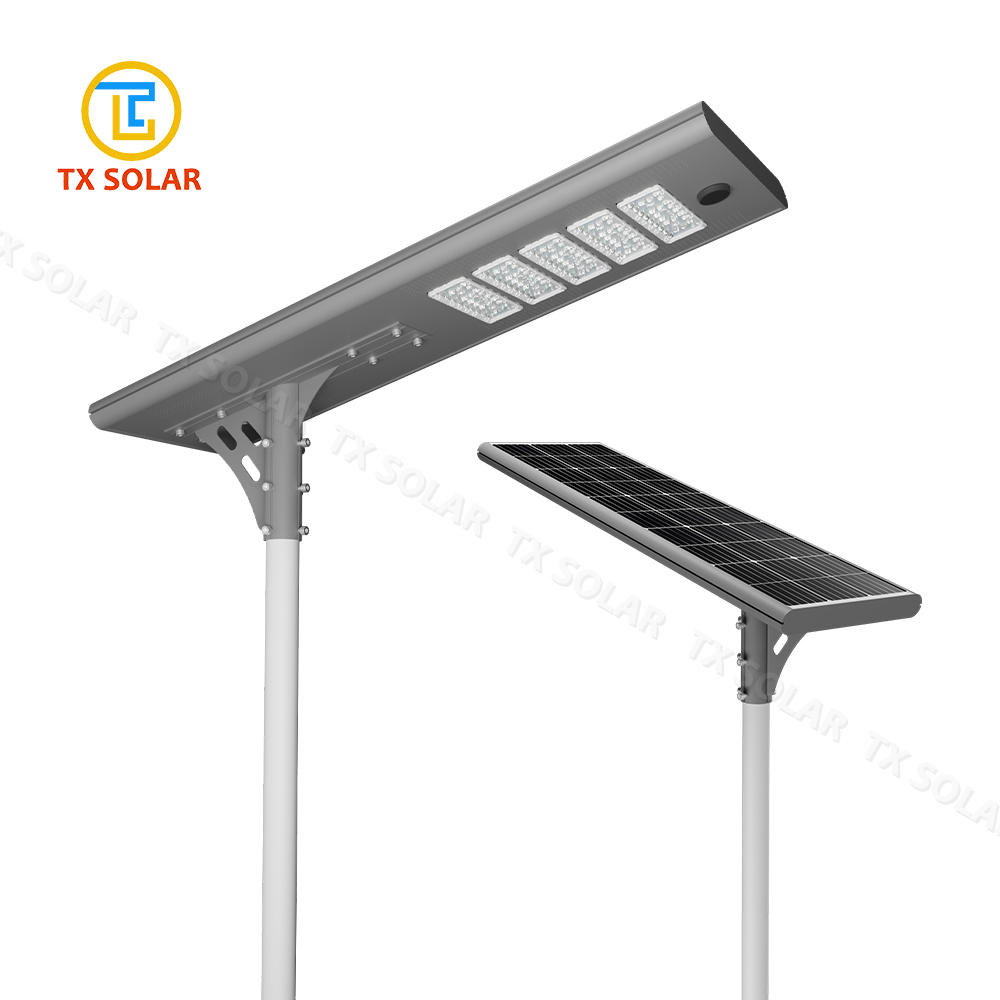
Complete Campus & Industrial Lighting Product Lineup
Explore our comprehensive catalog of solar driveway lamp posts, LED garden lights, and hot-dipped galvanized steel poles.
-

E-mail
-

Whatsapp
-

Top


