
Primary Solar Pole Configurations for Remote Deployment
Engineered to bypass expensive grid trenching, our flagship solar pole systems provide uncompromised luminous efficiency and weather-proof autonomy in isolated regions.
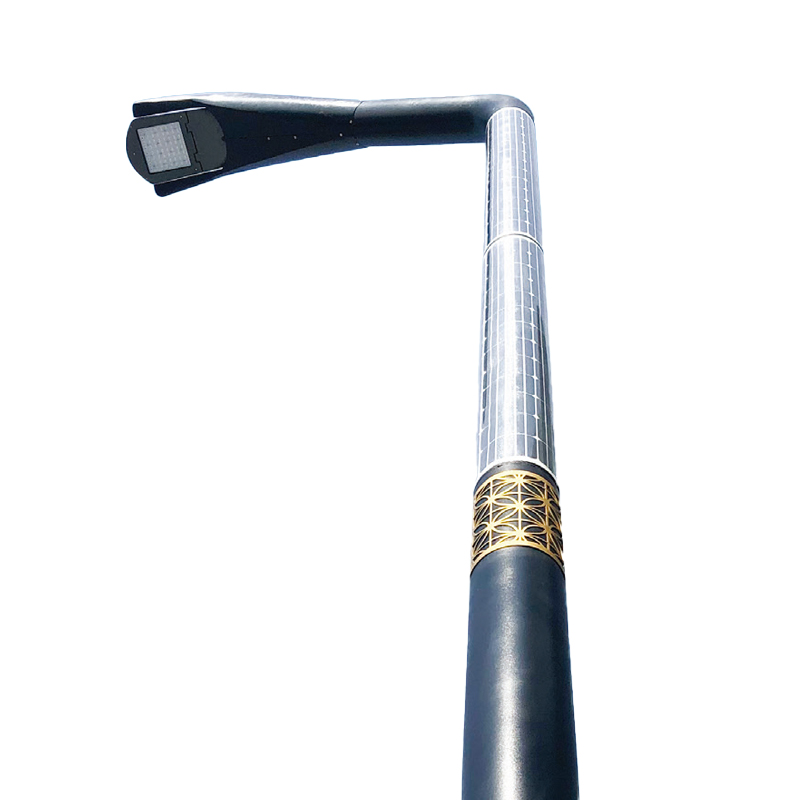
Flexible Solar Panel LED Smart Pole
Designed for harsh rural climates with 360-degree cylindrical flexible photovoltaic wrap, high wind resistance, and integrated IoT micro-telemetry.
View Technical Specs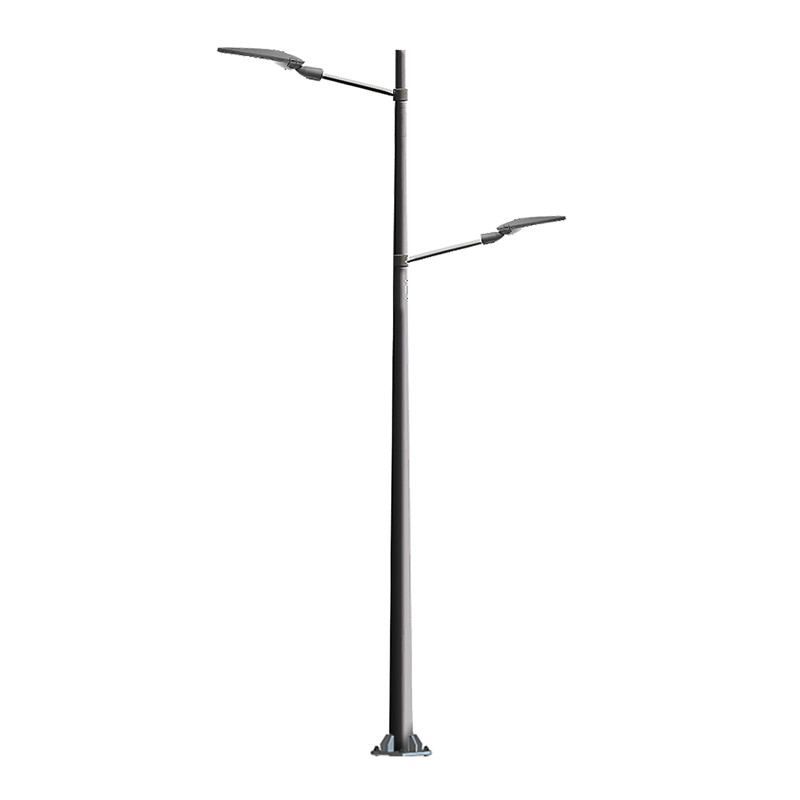
Round Tapered Double Arms Solar Lamp Post
Ideal for remote highway junctions, dual-lane rural thoroughfares, and village transit intersections requiring broad symmetrical lighting distribution.
View Technical Specs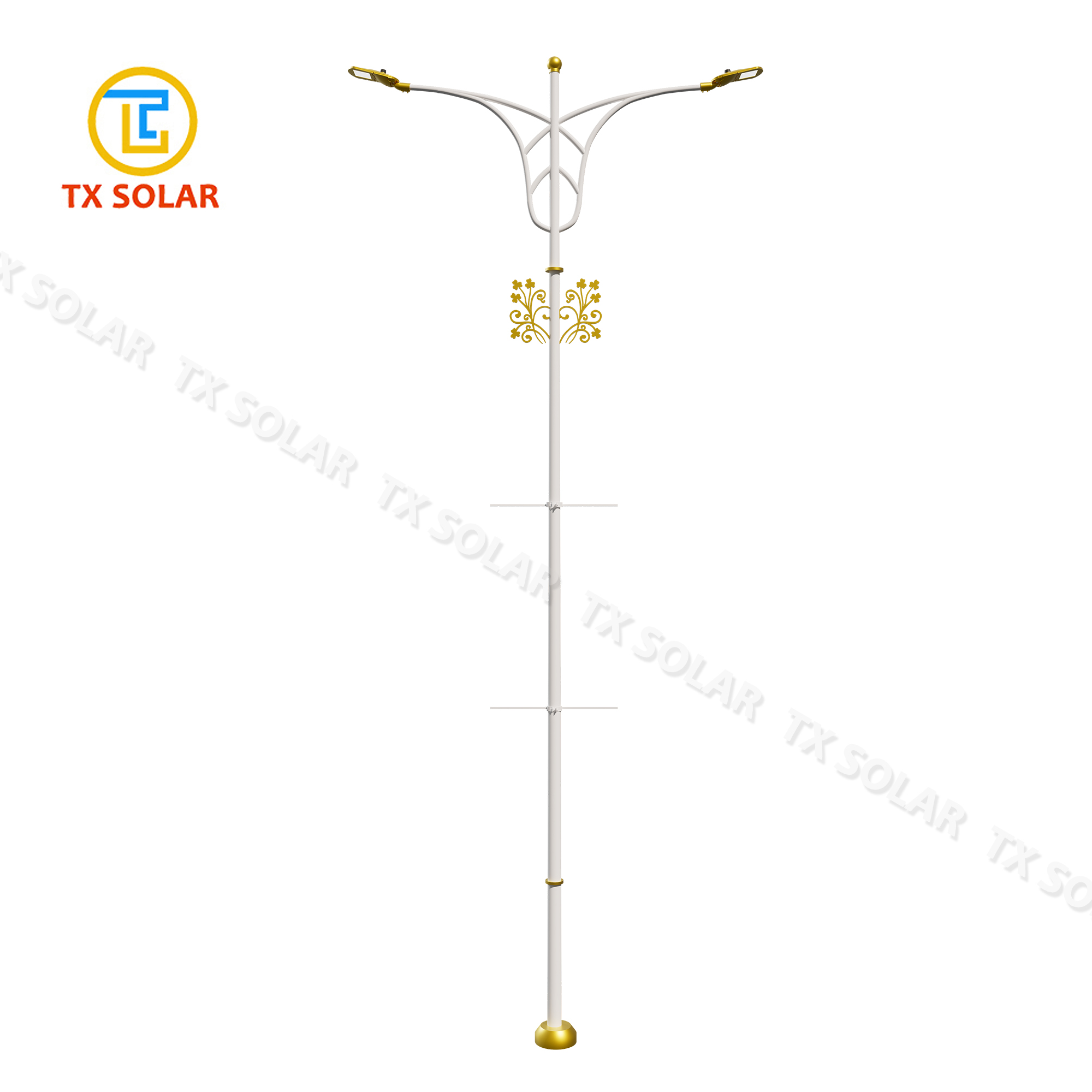
Decorative Dual-Arm Solar Pole with Poster Frame
Harmonizes architectural aesthetics with sustainable off-grid power, ideal for rural community centers, nature reserves, and agro-tourism corridors.
View Technical Specs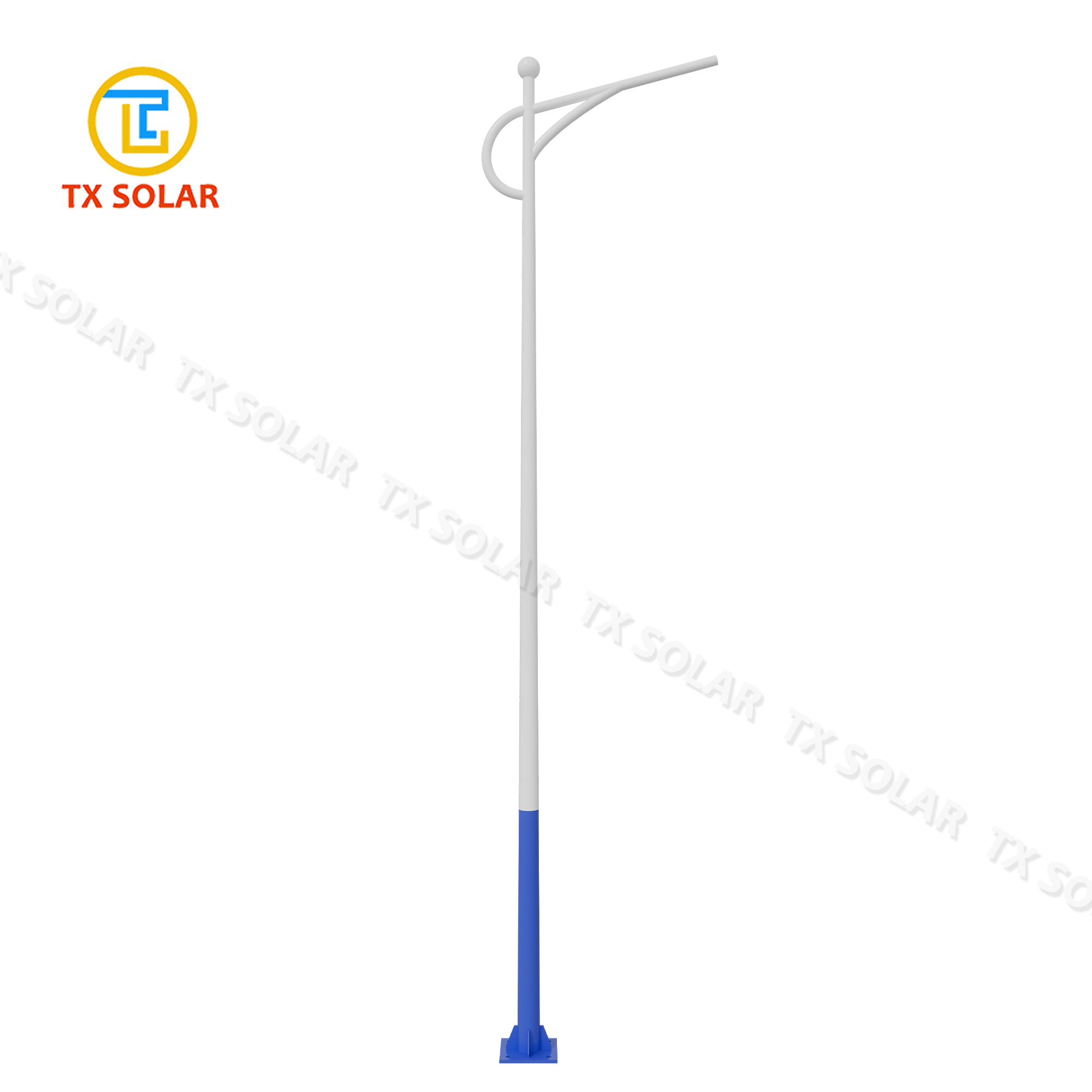
8m Conch Arm Single Arm Solar Street Pole
Aerodynamic single-arm hot-dip galvanized structural pole tailored for arterial rural expressways and mountain access routes prone to high wind gusts.
View Technical SpecsThe Off-Grid Imperative: Transforming Rural Infrastructure Through Solar Poles
Over 750 million people worldwide continue to dwell in off-grid or power-starved rural zones. Solar poles represent the quickest, most economical route to reliable public infrastructure.
In developing economies, remote agricultural towns, and geographically isolated mining corridors, establishing traditional grid-tied municipal lighting is economically prohibitive. Grid line extension costs consistently range between $25,000 and $75,000 per kilometer across rocky, mountainous, or desert topographies. When factoring in transformer substations, switchgear, continuous line maintenance, and recurring line losses, traditional AC lighting infrastructure becomes a permanent drain on regional municipal budgets. Consequently, rural roadways remain enveloped in complete darkness, stifling post-dusk economic commerce, increasing vehicular accidents, and severely diminishing public safety for pedestrians and community residents.
The modern Solar Pole For Rural And Remote Areas fundamentally rewrites this economic equation. By decoupling public lighting infrastructure from centralized utility grids, every individual pole operates as an autonomous, self-sustaining micro-power plant. Equipped with high-efficiency monocrystalline solar panels, deep-cycle lithium iron phosphate (LiFePO4) storage cells, and intelligent Maximum Power Point Tracking (MPPT) charge controllers, these systems convert daytime solar irradiance into nocturnal illumination with zero ongoing utility costs. For international development banks, provincial transport departments, and rural electrification authorities, solar poles present an immediate, turnkey answer to United Nations Sustainable Development Goal 7 (Affordable and Clean Energy) and Goal 11 (Sustainable Cities and Communities).
Furthermore, remote solar poles have transitioned from elementary illumination posts into smart, multi-functional telecommunication and security assets. The convergence of energy-efficient LED modules, satellite Internet of Things (IoT) protocols, and edge-computing sensors transforms these poles into connected outposts across remote landscapes. Whether alerting regional authorities to flash flood hazards, monitoring local meteorological shifts, or providing public Wi-Fi and USB emergency power in off-grid settlements, the intelligent solar pole stands at the absolute frontier of modern rural revitalization.
Zero Trenching & Cabling
Eliminates subterranean copper wiring, high-voltage conduits, and landscape disruption. Lowers installation labor overhead by upwards of 70% in untamed terrain.
10-15 Rainy Day Autonomy
Configured with oversized LiFePO4 battery banks and smart algorithmic dimming to provide uninterrupted 365-night illumination despite protracted monsoons or winter storms.
Extreme Environmental Armor
Protected by hot-dip galvanization conforming to ISO 1461, C5-M anti-corrosion marine powder coating, and aerodynamic design withstanding category 16 wind loads.
Comprehensive Application Scenarios in Remote Environments
Engineered to excel in demanding geographic, climatic, and structural settings where grid connection is unfeasible or strategically impractical.
Rural Village Roads & Inter-Township Routes Transportation
Connecting dispersed villages and rural market hubs often involves winding roads traversing unlit wilderness. Solar poles with asymmetric batwing light distribution deliver precise uniform ground illumination, curbing pedestrian casualties, facilitating late-evening transit of agricultural produce, and preventing wildlife collisions without costly power lines.
Off-Grid Mining Sites & Heavy Industrial Plants Industrial
Isolated mining operations, open-pit quarries, and remote oil pumping stations require rugged 24/7 security perimeter lighting and access route illumination. These sites utilize explosion-proof, heavy-duty solar poles equipped with thermal surveillance and emergency alarms, completely independent from erratic diesel generator sets.
Agricultural Hubs, Aquafarms & Orchards Agriculture
In vast rural farmlands, power lines pose fire hazards and electrocution risks during seasonal flooding. Solar smart poles provide off-grid illumination while hosting secondary micro-payloads such as soil moisture analyzers, automated crop-spraying sensors, physical security cameras, and insect-luring pest eradication lamps.
National Parks, Protected Biospheres & Eco-Lodges Conservation
In pristine ecological zones and remote tribal reserves, excavation for subterranean electrical conduits permanently damages ancient tree roots and delicate habitats. Solar poles install with minimal soil disturbance via modular micro-pile foundations, incorporating dark-sky compliant optics that mitigate nocturnal light pollution.
Key Technological Breakthroughs in Rural Solar Lighting
How modern design surpasses traditional flat-panel systems through vertical integration, smart charge management, and advanced lithium chemistry.
A primary failure mode of legacy solar streetlights deployed in remote deserts and coastal regions is severe dust accumulation (soiling losses) and devastating wind shear damage. Traditional horizontal or tilted flat photovoltaic panels act as wind sails during violent monsoons or tropical cyclones, leading to structural fatigue and pole collapse. Furthermore, accumulated bird droppings, fine sand, and foliage block sunlight, causing hot-spot burnouts and reducing energy harvesting efficiency by as much as 60% within six months of unattended operation.
Our latest Vertical Cylindrical Solar Smart Pole technology solves these structural liabilities. By wrapping flexible, high-efficiency monocrystalline solar cells around the vertical cylindrical body of the pole, the aerodynamic profile reduces wind drag coefficients by over 40%. The vertical arrangement makes dust, sand, and snow accumulation virtually impossible, with rainfall naturally washing the smooth curved surfaces clean. Regardless of seasonal solar declination angles, the 360-degree cylindrical geometry absorbs both direct overhead sunlight and reflected albedo irradiance from surrounding terrain throughout the day.
Equally critical is the transition to integrated Lithium Iron Phosphate (LiFePO4) Battery Packs housed high on the pole or securely within the pole shaft. Unlike dated lead-acid or gel batteries buried underground—which are prone to waterlogging, theft, and rapid degradation in tropical heat—our lithium storage systems boast cycle lives exceeding 3,000 to 5,000 cycles at 80% Depth of Discharge (DoD). Paired with intelligent microcontrollers running adaptive MPPT software, the system monitors daily charging deficits and automatically modulates LED driver current during overcast conditions to ensure continuous lighting.
Yangzhou Tianxiang Road Lamp Equipment Co., Ltd.
Leading outdoor lighting innovation for nearly three decades with specialized automated digital manufacturing lines and international export capabilities.
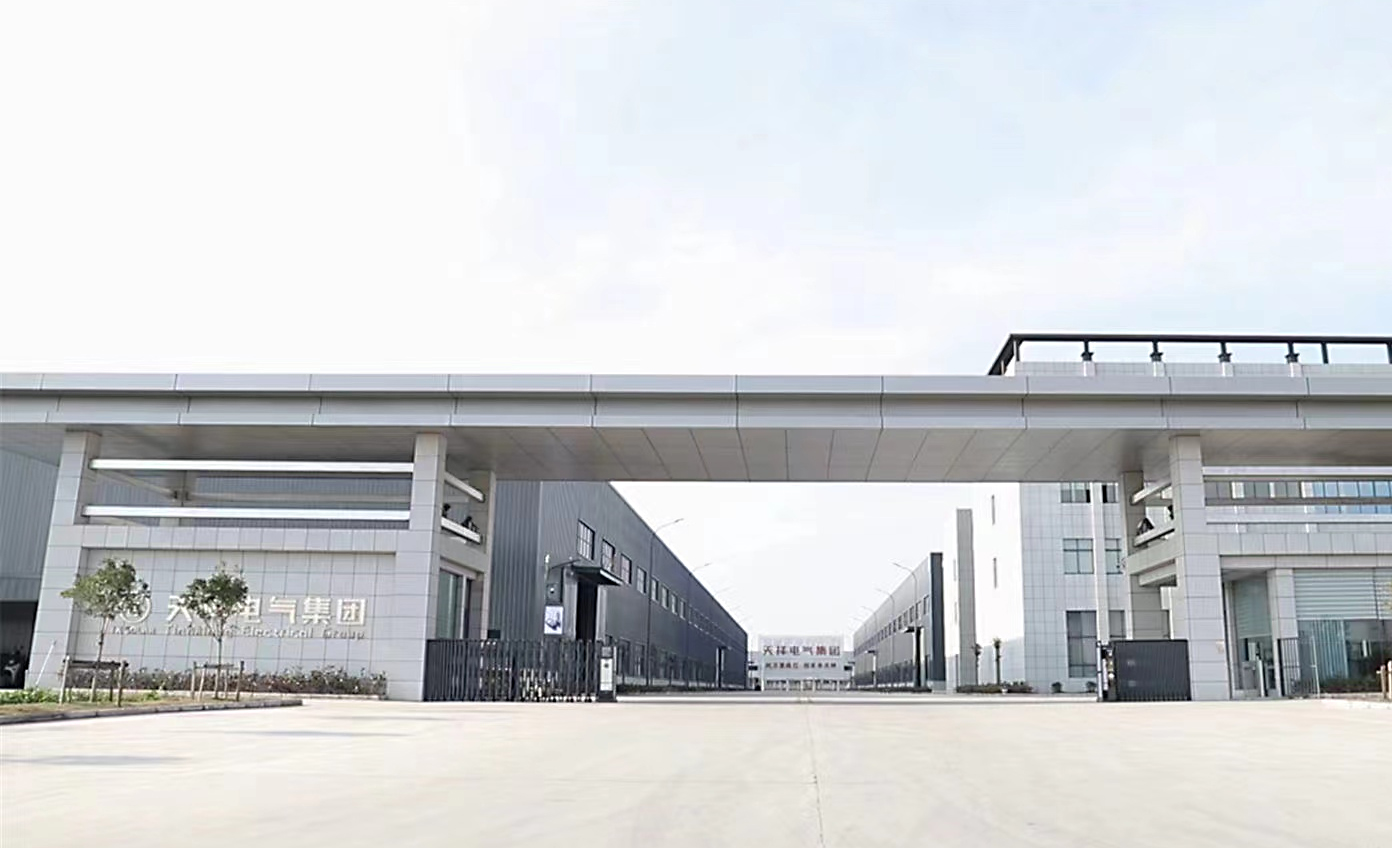
Professional Outdoor Lighting Manufacturer Since 1996
Yangzhou Tianxiang Road Lamp Equipment Co., Ltd., founded in 2008 and rooted in manufacturing traditions dating back to 1996, is situated in the smart Industrial Park of the premier street lamp manufacturing hub in Gaoyou City, Jiangsu Province. As a production-oriented enterprise, our focus is squarely on crafting long-lasting outdoor street lighting equipment.
Today, our facilities house the most modern, fully digital production lines in the sector. From large-tonnage hydraulic bending machines, automated seam welding, and laser cutting to computerized electrostatic powder coating and high-capacity battery assembly workshops, our integrated capability ensures strict quality control and market-leading cost efficiency.
With an expansive global track record featuring more than 1,700,000 luminaires and poles illuminated, Tianxiang commands a major market presence across Africa, Southeast Asia, South America, and the Middle East, serving as a trusted primary supplier for engineering contractors, infrastructure conglomerates, and municipal bodies worldwide.
Technical Workforce & Engineering Capability
Our sustained technological edge is driven by our talented team. Today, Tianxiang employs over 200 dedicated professionals, including 12 dedicated R&D innovators, 16 senior mechanical and optical engineers, and 4 rigorous Quality Control inspectors who oversee every phase from raw ingot analysis to finished lux validation.
Our dedicated International Trade Department comprises 16 experienced multi-lingual logistics and procurement specialists, complemented by a 12-person domestic engineering sales team. This structure guarantees rapid design turnarounds, complete structural wind-load simulations, tailored photometric IES files, and responsive overseas project support.
Whether navigating remote desert installations or humid equatorial archipelagos, our engineering department formulates custom pole taper geometries, foundation cage templates, and battery thermal insulation designs tailored to your geographic coordinates.
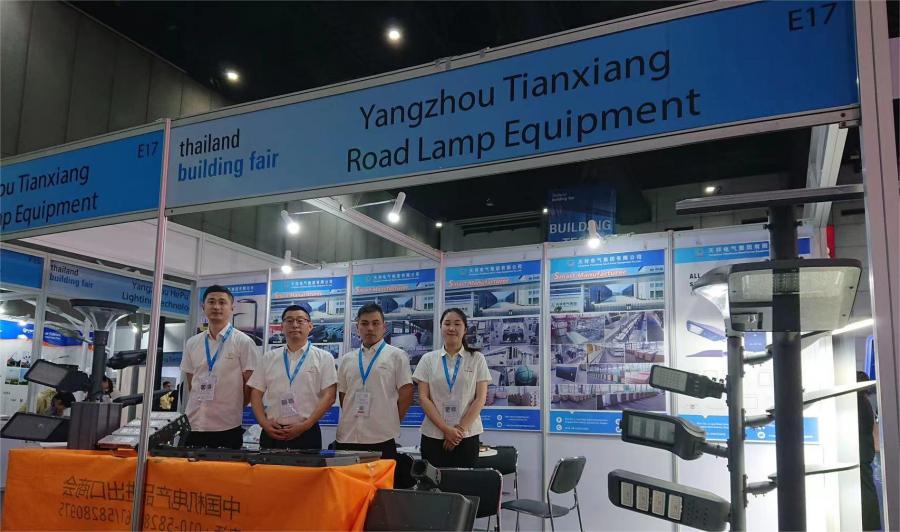
Enterprise Culture & Core Principles


Our Mission
Continuous improvement, technological innovation, and the relentless pursuit of 100% customer satisfaction in every luminaire we forge.


Our Vision
To be the world's most trusted, premier brand in renewable energy infrastructure and energy-efficient autonomous public lighting.


Our Value
Open-minded collaboration, harmonious community growth, pragmatic engineering execution, and bold technological innovation.
Major Milestones of the Enterprise
From a local metal fabrication facility to a world-renowned exporter of advanced solar lighting technology.
Industrial & Rural Solar Lighting Solutions
Explore our full line of solar poles, street light fixtures, and robust steel infrastructure engineered for maximum field reliability in challenging environments.
Flexible Solar Panel LED Street Light
Advanced vertical curved PV system with minimal wind resistance and zero maintenance overhead for remote high-wind zones.
Learn More
Round Tapered Double Arms Lamp Post
High-tensile hot-dip galvanized steel pole with dual outreach arms designed for rural divided highways and broad intersections.
Learn More
European Decorative Pole With Poster
Aesthetic dual-arm system featuring integrated banner frames, ideal for rural tourist towns, heritage corridors, and eco-parks.
Learn More
8m Conch Arm Single Arm Street Pole
Heavy-duty 8-meter structural steel pole with hydrodynamic conch arm bracket, precision welded for severe crosswind stability.
Learn More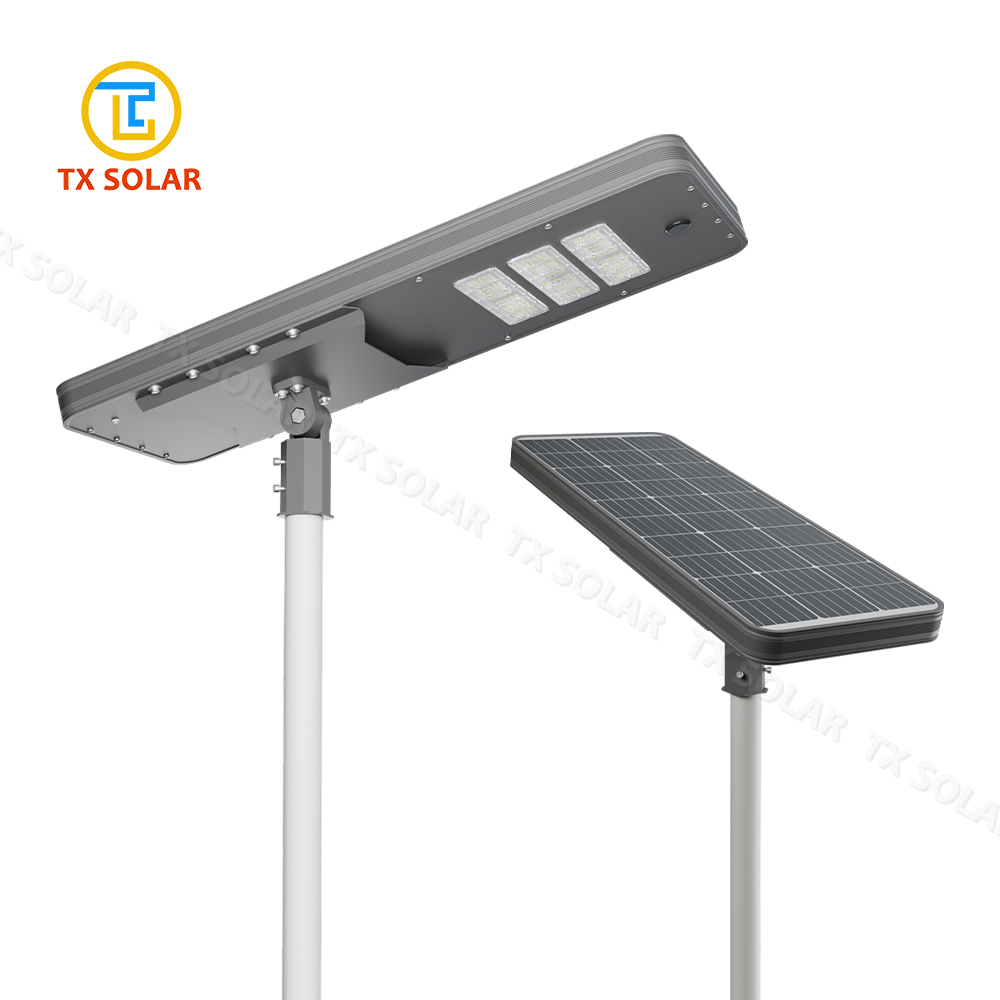
30W-100W Integrated Solar Street Light
Compact luminaire integrating solar panel, LiFePO4 battery, PIR motion detector, and LED module into a single plug-and-play cast housing.
Learn More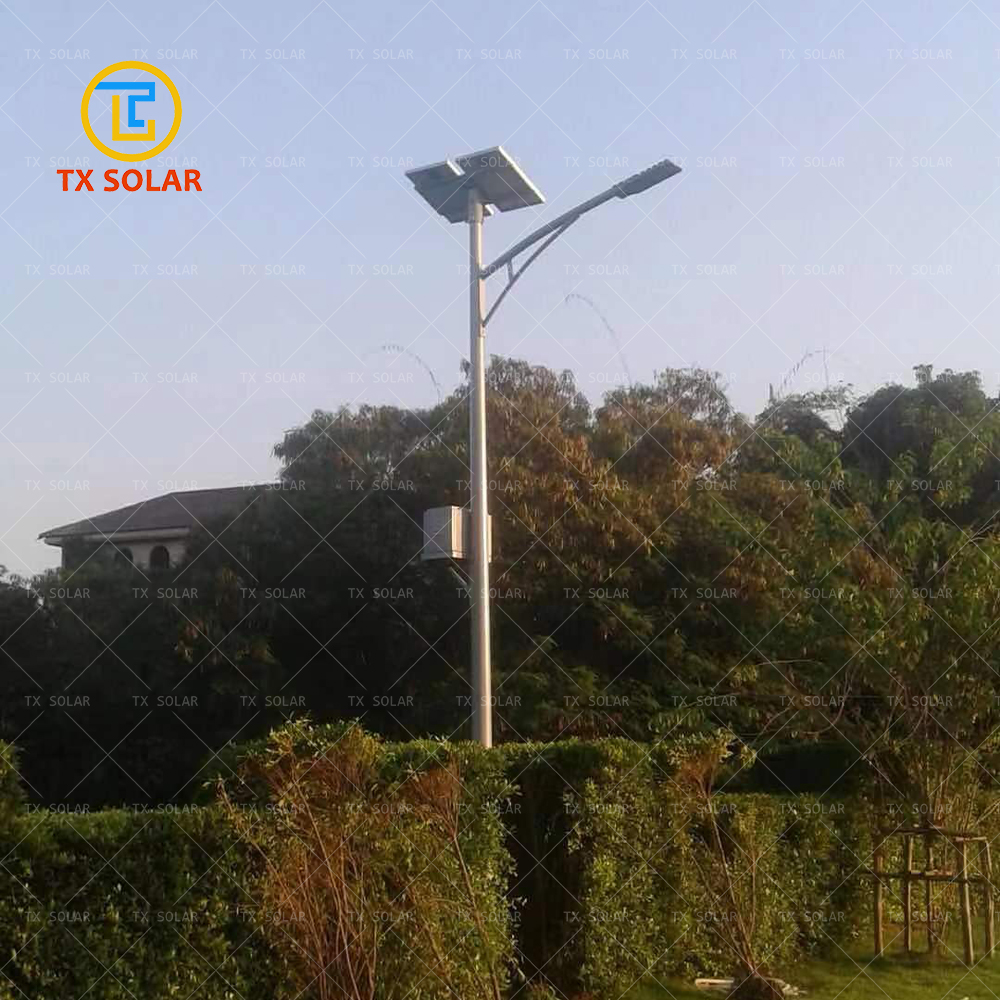
7M 40W Solar Light With Gel Battery
Time-proven split solar configuration utilizing temperature-stabilized deep-cycle gel storage, delivering consistent performance in extreme climates.
Learn More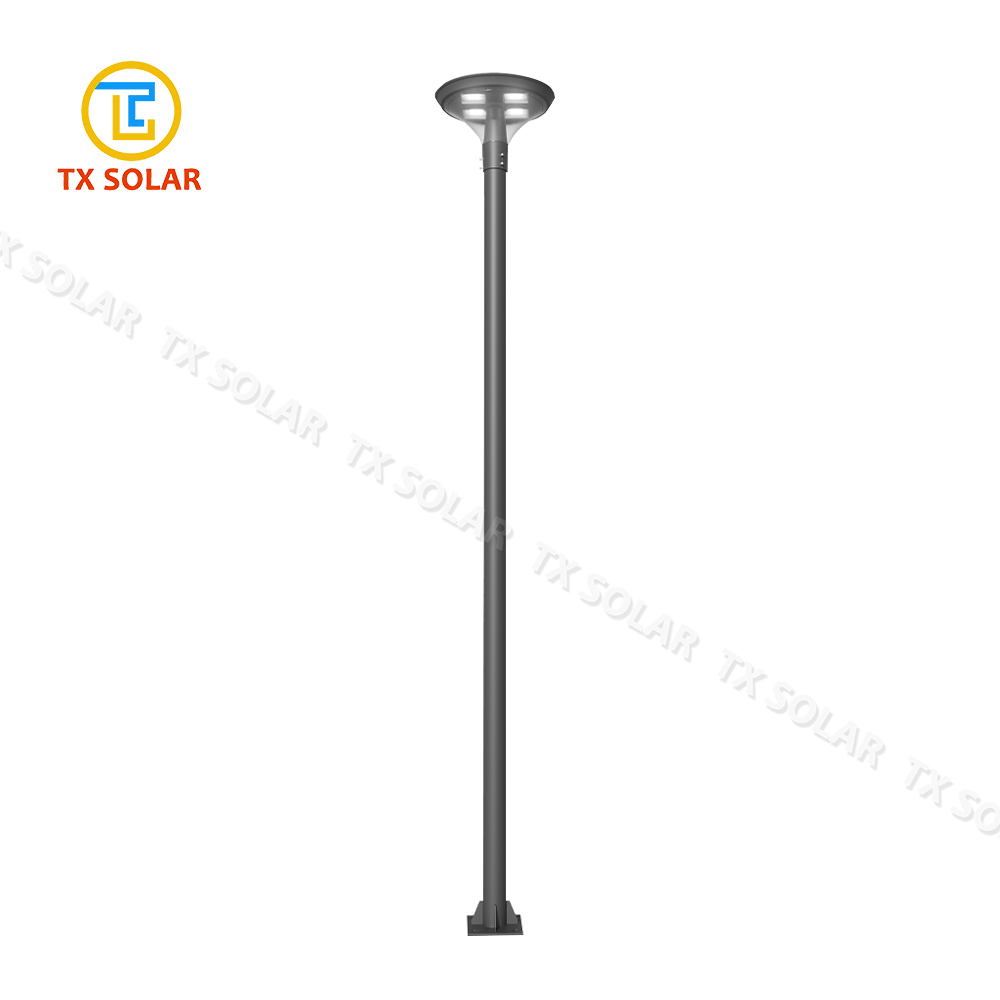
Architectural Solar Garden Light
Circular 360-degree glare-free illumination fixture engineered for village squares, rural health clinic pathways, and community parks.
Learn More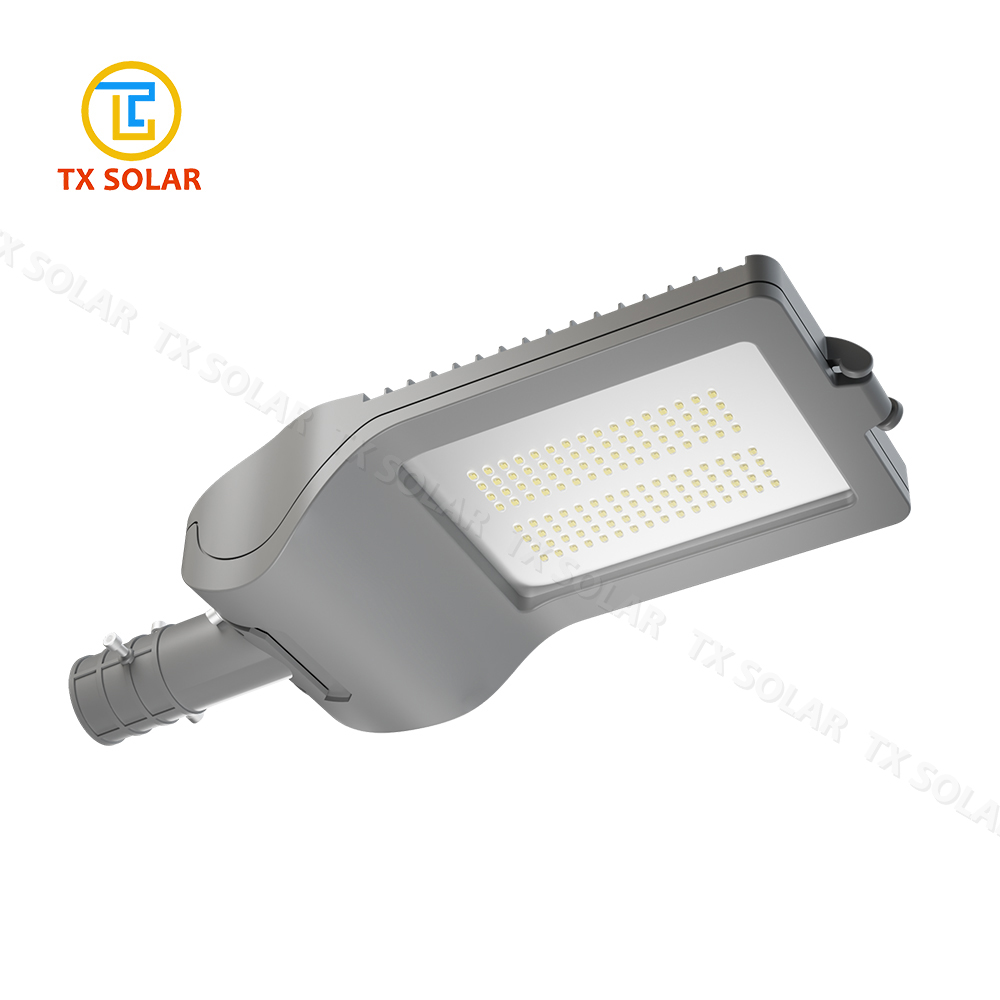
IP66 TXLED-07 Heavy-Duty LED Head
Die-cast aluminum high-efficacy luminaire head achieving over 160 lm/W, featuring tool-free maintenance and built-in 10kV surge protection.
Learn MoreFrequently Asked Questions: Remote Solar Pole Projects
Direct answers to the most common engineering and procurement questions regarding off-grid solar poles.
Q1 How are solar poles anchored in remote, rocky, or loose soils?
We supply customized foundation anchor cages tailored to local geotechnical reports. In rocky strata, rock anchor bolts and minimal concrete pads are utilized; in loose sandy soils or swampy areas, helical screw piles or expanded concrete footing designs ensure robust wind-load support without requiring complex construction machinery.
Q2 What guarantees uninterrupted operation during extended monsoon seasons?
Our engineering team performs solar irradiation simulations based on historical NASA and Meteonorm meteorological data for your specific installation coordinates. We match the battery capacity and PV wattage to accommodate 5 to 15 continuous sunless rainy days via smart dynamic power-scaling MPPT algorithms.
Q3 How is remote monitoring managed in regions lacking 4G/5G cellular coverage?
For remote territories devoid of cellular networks, our smart solar poles can be integrated with LoRaWAN mesh communication modules that relay operational telemetry to a centralized gateway up to 15 kilometers away, or link directly through low-power satellite IoT terminals.
Q4 What anti-corrosion protection is applied to withstand extreme outdoor conditions?
All steel shafts undergo internal and external hot-dip galvanization conforming strictly to ISO 1461 standards, yielding an average zinc coating thickness exceeding 86 microns. An optional electrostatic polyester powder topcoat offers superior resistance against UV degradation, sand abrasion, and saline moisture.
-

E-mail
-

Whatsapp
-

Top


