1. Botanical Gardens & Ecological Parks
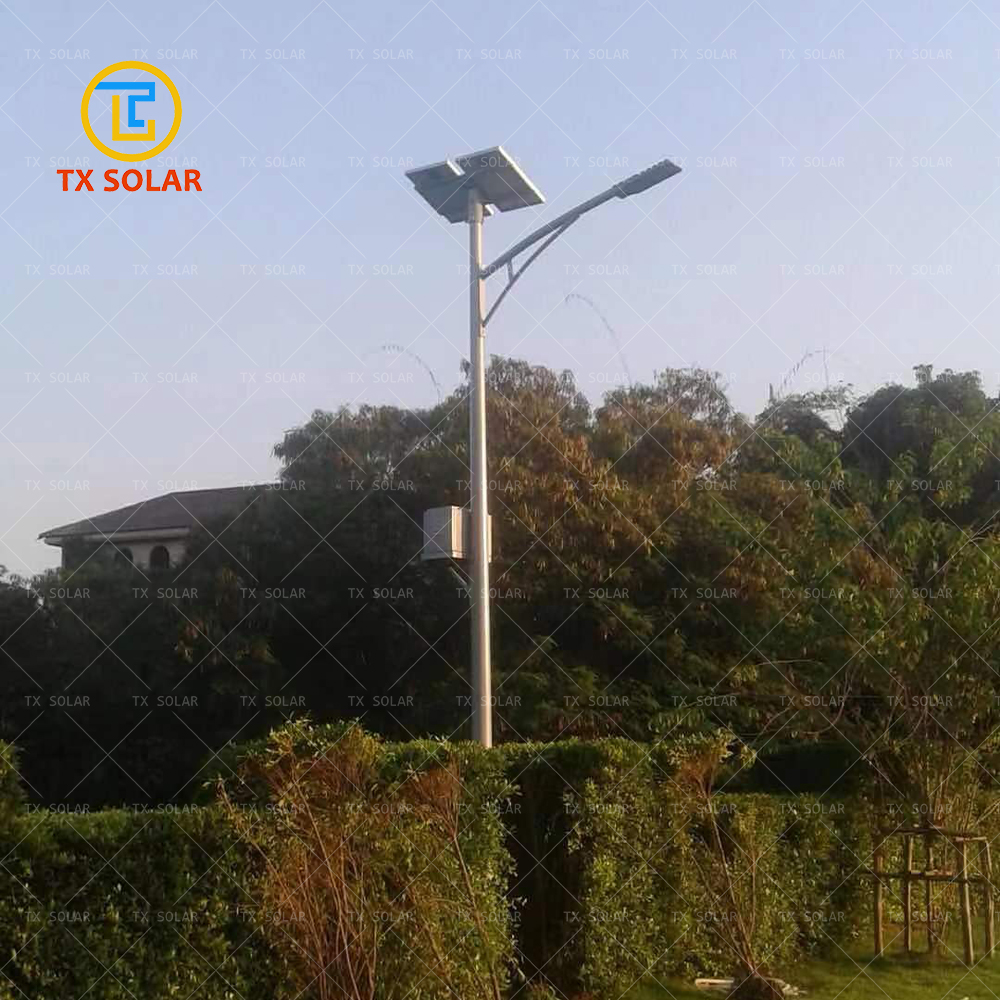
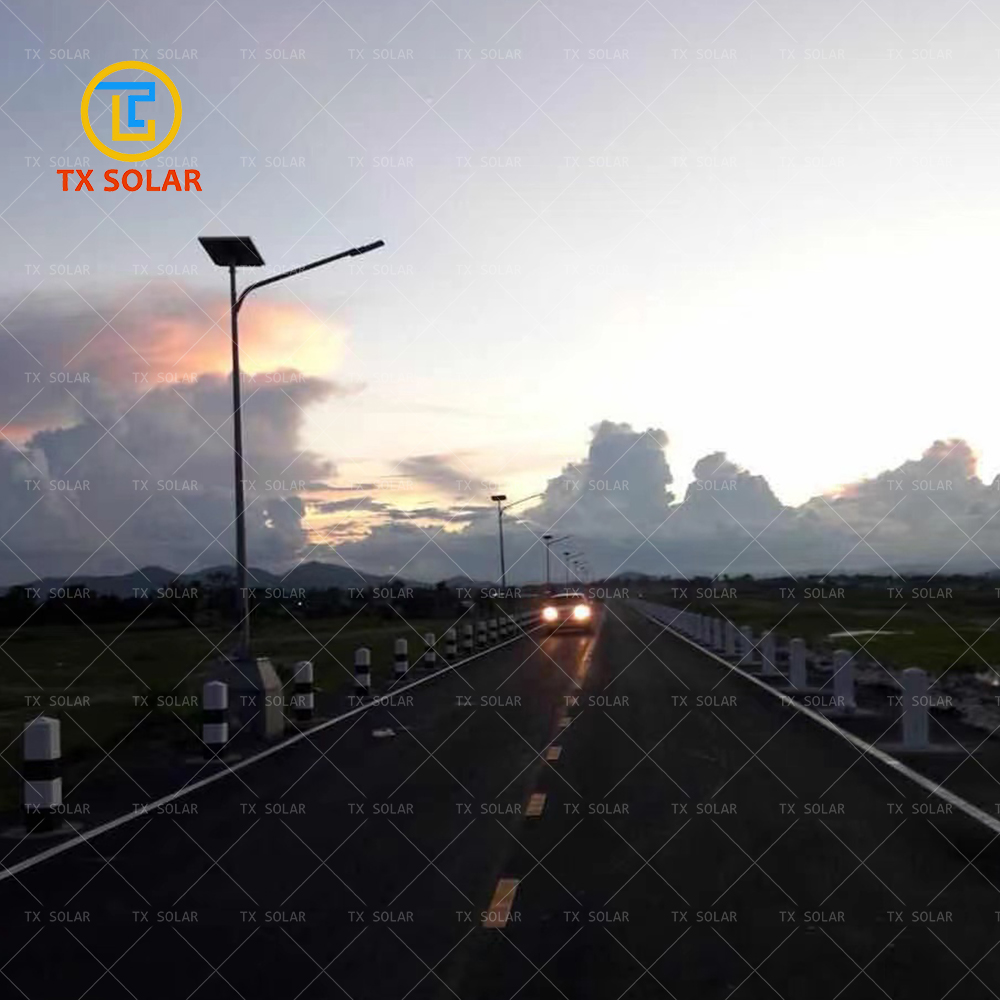
In highly sensitive ecological zones such as botanical gardens, lighting must minimize light pollution while ensuring pedestrian pathways are safely illuminated. Square lamp posts designed with directional LED luminaires direct light precisely onto pathways, preventing spillover into natural habitats. By utilizing solar-powered square posts equipped with integrated gel or lithium batteries, municipalities can eliminate the need for extensive underground wiring, protecting delicate root systems and reducing the environmental footprint of the installation.
2. Historic Plazas & Modern Civic Centers
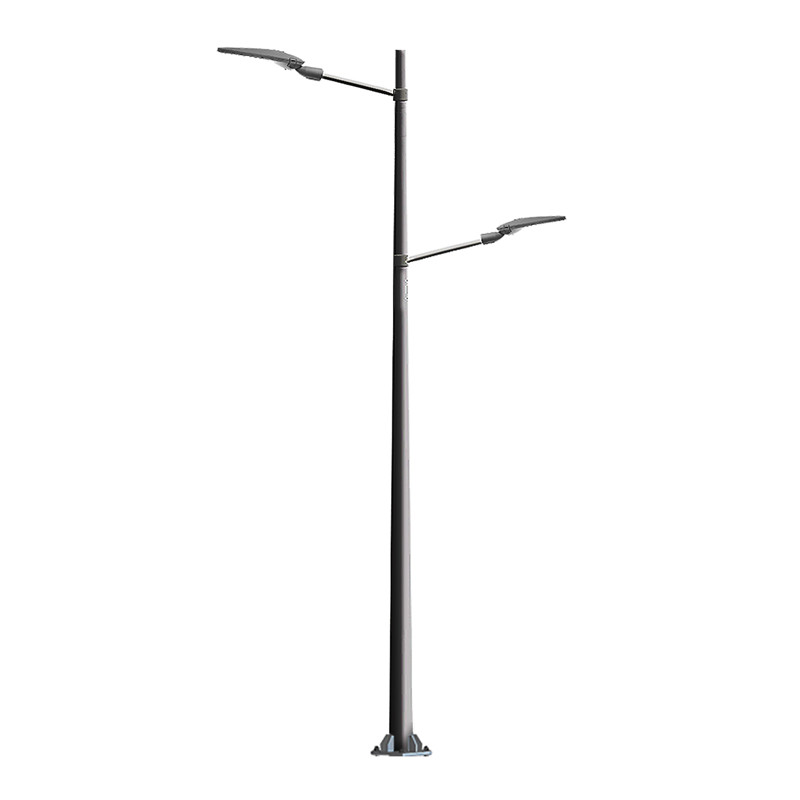
Urban plazas require lighting that serves as an architectural statement by day and a reliable safety system by night. The minimalist profile of a square lamp post bridges the gap between historical surroundings and modern design demands. They can be powder-coated in custom architectural colors (such as matte black, charcoal gray, or bronze) to blend into the landscape. Dual-arm configurations allow for simultaneous pathway lighting on one side and wide-angle floodlighting for central plazas on the other.
3. Smart Park Ecosystems (IoT Enabled)
As cities transition to smart ecosystems, park lighting is playing a pivotal role. A modern square lamp post acts as an interactive node. Municipalities are installing smart square poles equipped with:
• Emergency help buttons (SOS intercoms) for visitor safety.
• Environmental sensors to monitor air quality, temperature, and humidity.
• Digital signage screens for park maps, event announcements, and local advertisements.
• Electric vehicle (EV) or e-bike charging ports integrated directly into the base of the pole.
4. Pedestrian Walkways & Jogging Tracks
Safety is paramount for night joggers and families walking in public parks. Square lamp posts positioned at strategic intervals offer uniform, glare-free lighting. When equipped with smart motion sensors, these lights can dim during periods of inactivity and brighten to 100% capacity when a pedestrian approaches. This dynamic control dramatically reduces energy consumption while maintaining a secure environment for park visitors.